 delishing
How to Make Authentic Turkish Coffee on the Stovetop

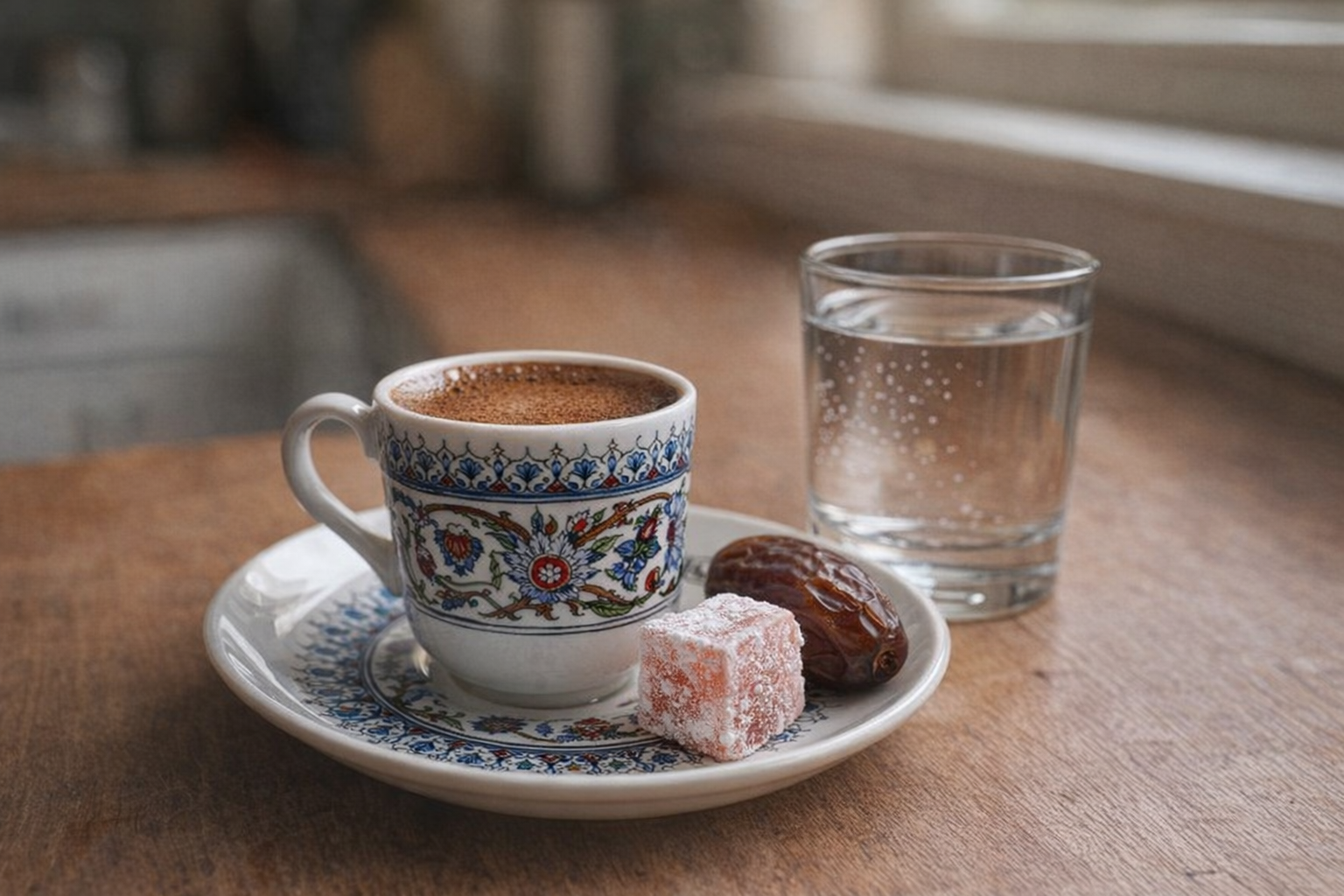
Turkish coffee is more than just a beverage; it's an experience steeped in tradition and rich flavor. This method yields a strong, aromatic coffee with a distinctive foamy top and a silty base, offering a unique textural and taste sensation. The secret lies in the ultra-fine grind of the coffee and the slow, careful heating process, which coaxes out the full spectrum of flavors.
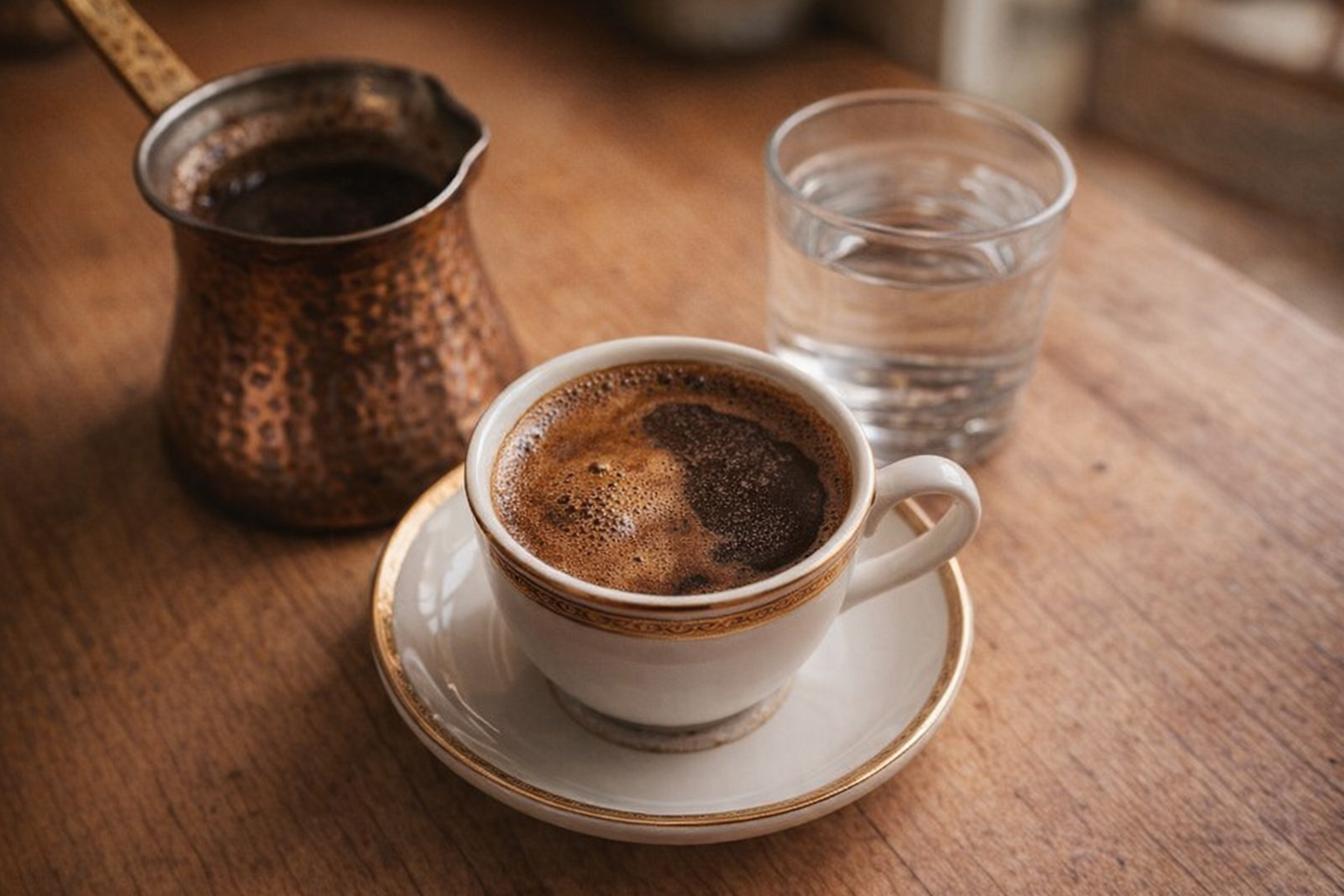
What sets Turkish coffee apart is its unfiltered nature, allowing the coffee grounds to mingle directly with the water. This intensifies the flavor and provides a unique body, culminating in a truly satisfying cup. Prepared in a traditional "cezve" (a small pot with a long handle), this method is a time-honored ritual passed down through generations.
Understanding Turkish Coffee
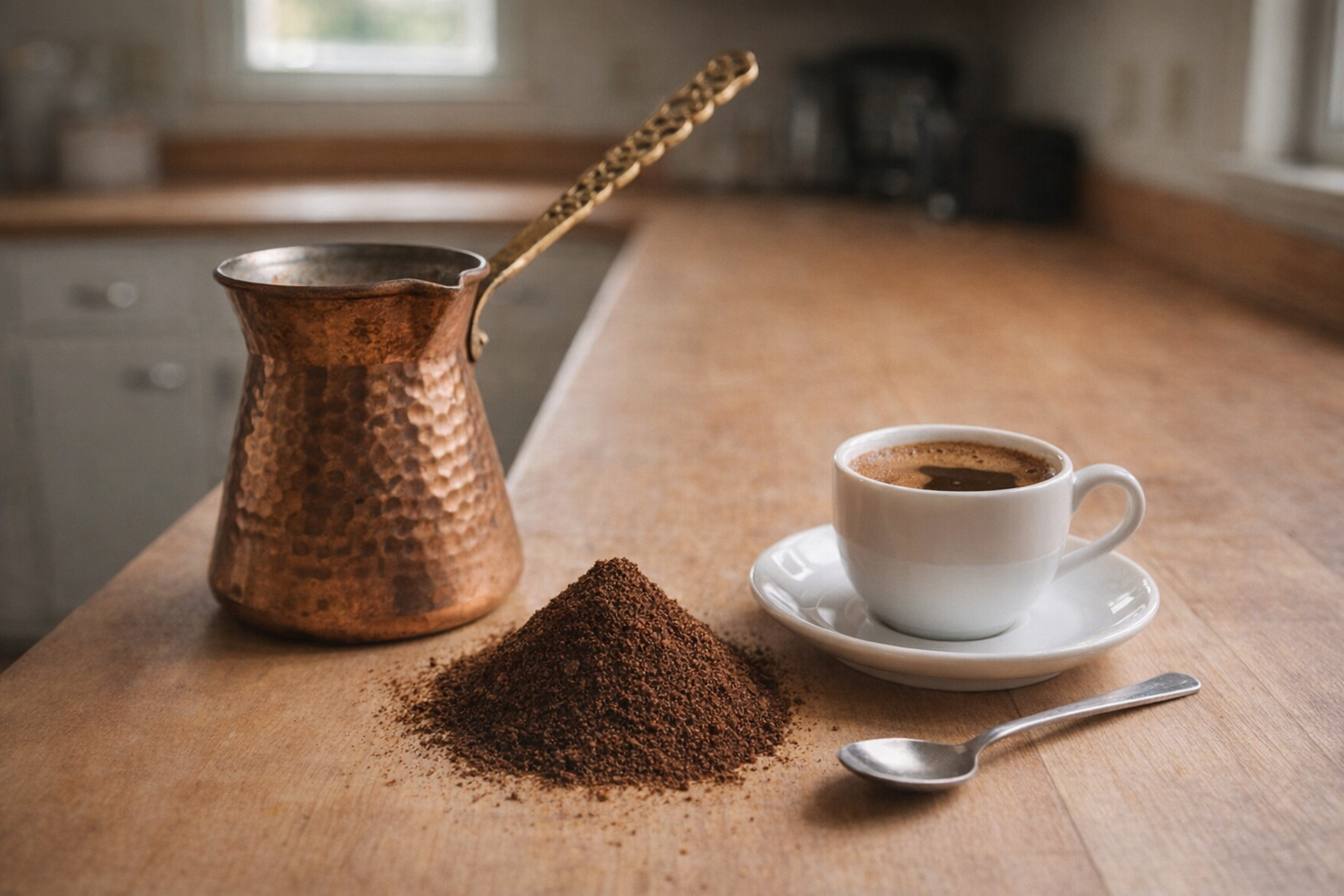
The key to excellent Turkish coffee begins with the beans themselves. While you can technically use any high-quality Arabica bean, it’s the grind that truly matters. Look for coffee specifically labeled "Turkish grind" or ask your local coffee roaster to grind it as finely as possible—almost like powdered sugar. The consistency is crucial for the unique brewing process. Pre-ground coffee often won't be fine enough, so grinding fresh is highly recommended.
When purchasing, opt for single-origin beans if possible, as they often offer more distinct and complex flavor profiles. Experiment with different origins to find your personal preference. Light to medium roasts tend to work best, allowing the delicate flavors to shine through without being masked by bitterness.
Why Cook Turkish Coffee This Way?
- Versatility: Enjoy it plain, sweetened, or spiced with cardamom for a personalized flavor.
- Flavor: The unfiltered nature captures the full essence of the coffee beans.
- Convenience: Requires minimal equipment and is relatively quick to prepare.
Preparation (Mise en Place)
Before you begin brewing, gather your tools and ingredients. There’s minimal prep required, but having everything at your fingertips will ensure a smooth and enjoyable process.
- Ensure your Turkish coffee is ground to a powder-like consistency.
- Measure out the appropriate amount of cold, filtered water.
Essential Tools:
- Cezve (Ibrik): A small, long-handled pot, preferably made of copper or brass for even heat distribution. The shape is crucial for proper foam development.
- Demitasse Cups: Small, espresso-sized cups specifically for serving Turkish coffee.
- Small Spoon: For stirring the coffee and measuring sugar.
- Stovetop: A gas or electric stovetop works equally well.
The Cooking Method
Authentic Turkish Coffee on the Stovetop
Ingredients:
- 1 heaping teaspoon (approximately 7g) finely ground Turkish coffee per demitasse cup
- 1 demitasse cup (approximately 2 fl oz or 60ml) cold, filtered water per serving
- Sugar, to taste (optional)
- Pinch of ground cardamom (optional)
Instructions:
- Combine Ingredients: In the cezve, combine cold water and finely ground Turkish coffee. Add sugar, if desired. Do not stir yet.
- Stir Gently: Place the cezve on the stovetop over low heat. Gently stir the mixture until the coffee and sugar (if using) are just combined. Avoid over-stirring after this point.
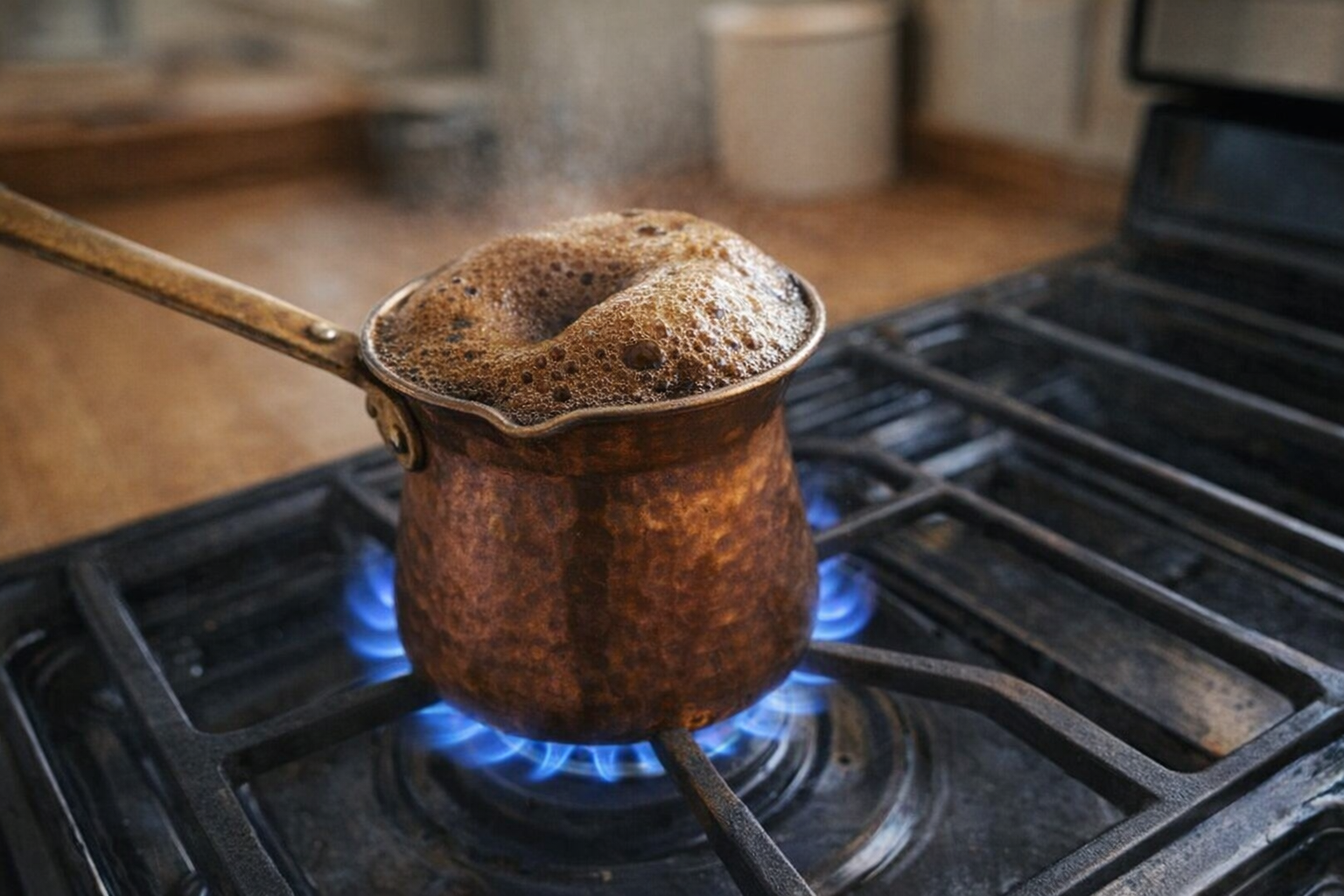
- Heat Slowly: Allow the coffee to heat slowly over low heat. As it heats, a dark foam will begin to form on the surface. Do not allow the coffee to boil rapidly. The slow heating process is key to developing the characteristic foam and flavor.
- Foam Development: As the foam rises, carefully watch the cezve. Just before the coffee boils over (the foam will rise dramatically), remove it from the heat.
- Distribute Foam: Gently spoon a portion of the foam into each demitasse cup. Be careful not to disturb the coffee grounds at the bottom of the cezve. This foam is crucial for the authentic texture and presentation.
- Reheat and Repeat: Return the cezve to the low heat and allow the coffee to heat again until foam forms. Repeat the process of removing from heat and distributing foam 1-2 more times to build a thicker, richer foam and intensify the flavor.
- Pour and Settle: Gently pour the coffee into the demitasse cups, avoiding disturbing the grounds as much as possible.
- Let Settle: Allow the coffee to sit for a minute or two before serving, allowing the coffee grounds to settle at the bottom of the cup.
- Serve: Traditionally, Turkish coffee is served with a glass of cold water to cleanse the palate before and between sips, and sometimes with Turkish delight (lokum).
Cooking Time & Doneness Guide
- Total Time: Approximately 5-7 minutes.
- Doneness: Turkish coffee doesn't have a specific "done" temperature. The key is the foam. You want a thick, dark foam that is evenly distributed in each cup.
Visual Cues
Look for a rich, dark foam that forms on the surface of the coffee. The coffee should never boil aggressively.
Tips for Perfection
- Use Freshly Ground Coffee: This is the most important factor for optimal flavor.
- Control the Heat: Low and slow is the key. High heat will result in a bitter, scorched flavor and prevent proper foam development.
- Don't Stir Too Much: Over-stirring after the initial mixing can disrupt foam formation.
- Be Patient: The slow heating process is essential for extracting the full flavor of the coffee.
Storage & Reheating
Turkish coffee is best enjoyed immediately. However, if you have leftovers, store them in an airtight container in the refrigerator for up to 24 hours. Reheating is not recommended, as it will alter the flavor and texture. It's best to brew only what you intend to consume.
Serving Suggestions
- Traditional Turkish Delight (Lokum): A classic pairing.
- Dates or Dried Figs: The sweetness complements the bitterness of the coffee.
- Small Biscotti: For dipping and adding a touch of sweetness.
- Alongside a Cold Glass of Water: To cleanse the palate.
💡 Pro Tips
- Use coffee beans ground to an ultra-fine, flour-like consistency to ensure the grounds settle properly and create the signature body.
- Start with cold, filtered water in the cezve to allow the coffee flavors to extract slowly as the temperature rises.
- Add sugar directly to the cold water and coffee grounds before heating, as stirring after the coffee is cooked will ruin the delicate foam.
- Keep the heat at the lowest possible setting to prevent the coffee from boiling over and to develop a thick, dark foam on top.
- Carefully spoon the rising foam into each serving cup before pouring the rest of the coffee to ensure everyone gets a rich, frothy layer.
Frequently Asked Questions
While a cezve is ideal for creating the characteristic foam, you can use a small saucepan with a heavy bottom. Just be sure to use low heat and stir gently to avoid scorching the coffee. The key is to have a narrow top to help with foam development.
Watch carefully as the coffee heats up. As small bubbles form, a dark foam will begin to rise. Remove the cezve from the heat just before the foam reaches the top to prevent it from boiling over. Repeat this process 2-3 times until a thick foam has formed.
Turkish coffee is best enjoyed immediately after brewing. Reheating can negatively impact the flavor and aroma, and the grounds may become bitter. It's recommended to only brew the amount you intend to drink at that time.
Granulated sugar is most commonly used, but you can experiment with other types like brown sugar or even honey for a different flavor profile. Add the sugar to the water before heating to ensure it dissolves properly. Adjust the amount of sugar according to your personal preference.