 delishing
How to Make Authentic Greek Baklava at Home

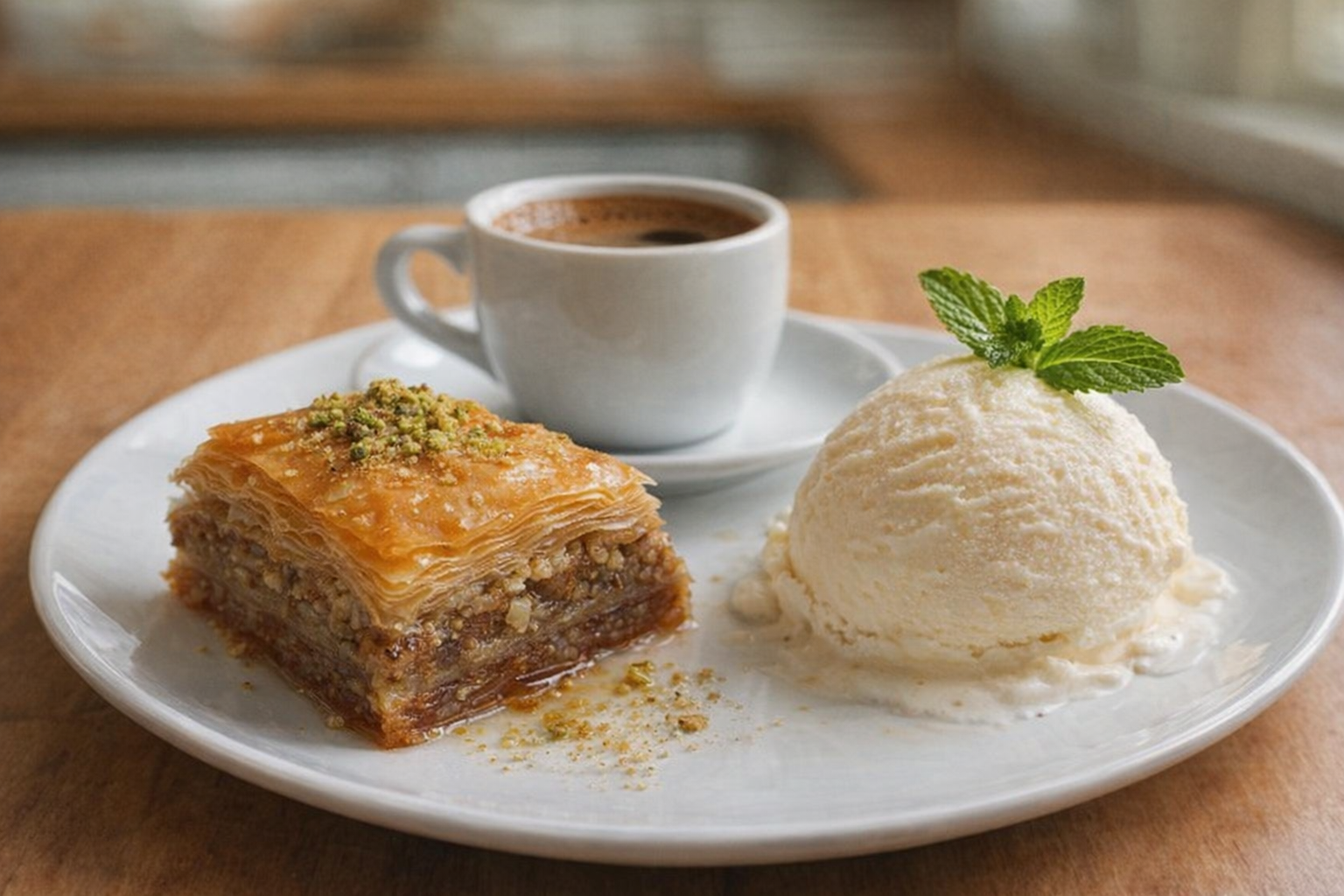
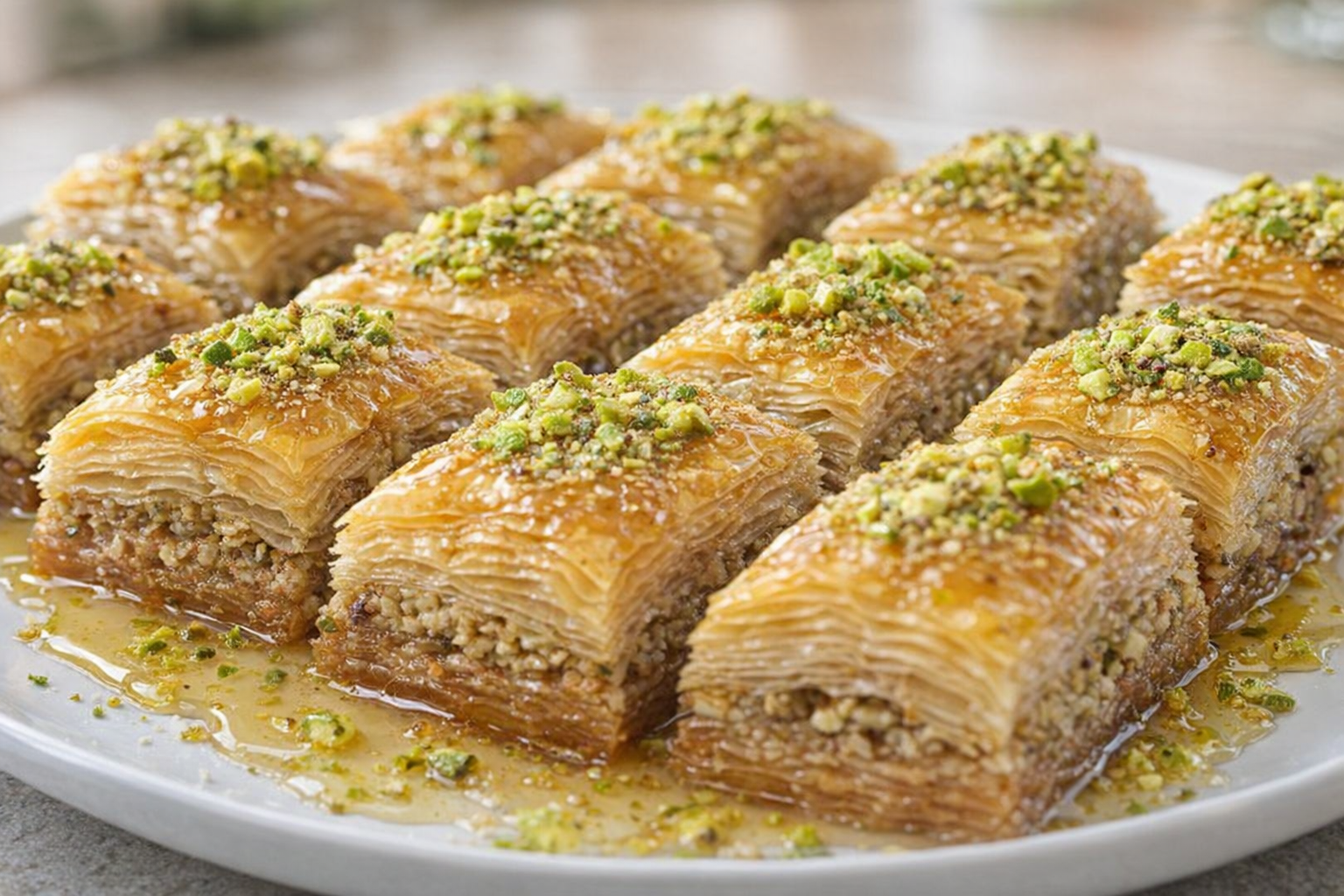
Baklava, a symphony of crispy phyllo layers, crunchy nuts, and sweet honey syrup, stands as a testament to the artistry of Greek pastry making. Its complex textures and rich flavors create a dessert that is both comforting and decadent. Mastering baklava is achievable at home, offering a taste of Greece that transcends borders.
This guide will walk you through the process, demystifying each step to ensure a flawless baklava that rivals even the finest Greek bakeries. We'll focus on the traditional method, emphasizing the importance of high-quality ingredients and precise layering for optimal results. Get ready to embark on a culinary journey that culminates in a truly unforgettable dessert.
Understanding Phyllo Dough
Phyllo dough is the cornerstone of baklava, and selecting the right type is crucial. Look for phyllo dough specifically labeled for baklava or pastries. It should be paper-thin and pliable, not brittle or cracked. Fresh phyllo dough is superior to frozen, but frozen can work in a pinch. If using frozen, thaw it completely in the refrigerator overnight. Resist the urge to speed up the thawing process at room temperature, as this can lead to a sticky, unmanageable dough. Once thawed, keep the phyllo dough covered with a damp towel to prevent it from drying out while you work.
Why Cook Baklava This Way?
- Versatility: Baklava can be customized with different nuts, spices, and syrups to suit your preferences.
- Flavor: The combination of flaky pastry, crunchy nuts, and sweet honey creates an irresistible flavor profile.
- Tradition: Making baklava is a way to connect with Greek culinary heritage and share a delicious tradition with loved ones.
Preparation (Mise en Place)
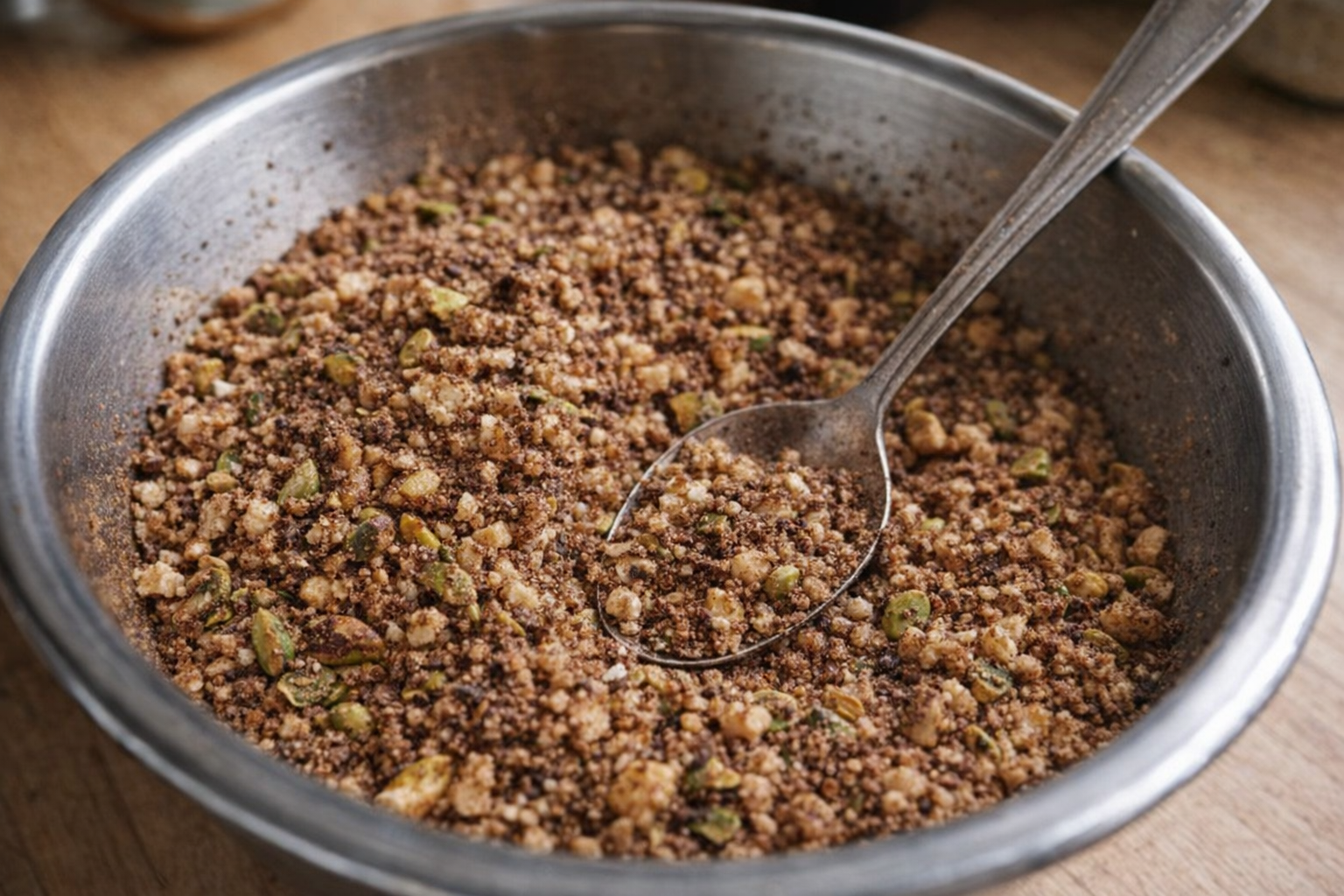
- Nut Mixture: In a food processor, pulse 3 cups (360g) of walnuts and 1 cup (120g) of pistachios until coarsely ground. Transfer to a bowl and mix with 1 teaspoon ground cinnamon, ½ teaspoon ground cloves, and ¼ teaspoon ground nutmeg. This spice blend adds depth and warmth to the nutty filling.
- Clarified Butter: Melt 1 cup (227g) of unsalted butter in a saucepan over low heat. Skim off the foam from the surface and carefully pour off the clear butter, leaving the milky solids behind. Clarified butter prevents the baklava from becoming soggy.
- Honey Syrup: In a saucepan, combine 1 cup (240ml) of water, 1 cup (200g) of granulated sugar, ½ cup (160g) of honey, and 1 tablespoon of lemon juice. Bring to a simmer over medium heat, stirring until the sugar dissolves. Reduce heat to low and simmer for 10 minutes. The lemon juice prevents the syrup from crystallizing. Let cool completely.
Essential Tools
- 9x13 inch baking pan: Provides ample space for layering the baklava and even baking.
- Pastry brush: Ensures even distribution of butter between the phyllo layers.
- Sharp knife or pizza cutter: Allows for clean, precise cuts through the baked baklava.
The Cooking Method
Assembling the Baklava
Ingredients:
- 1 pound (450g) phyllo dough, thawed if frozen
- 1 cup (227g) unsalted butter, clarified
- 3 cups (360g) walnuts, coarsely ground
- 1 cup (120g) pistachios, coarsely ground
- 1 teaspoon ground cinnamon
- ½ teaspoon ground cloves
- ¼ teaspoon ground nutmeg
- 1 cup (240ml) water
- 1 cup (200g) granulated sugar
- ½ cup (160g) honey
- 1 tablespoon lemon juice
- Preheat oven to 350°F (175°C).
- Brush the bottom and sides of the baking pan with clarified butter. This prevents sticking and adds richness to the base.
- Place one sheet of phyllo dough in the pan, gently pressing it into the corners. Brush with clarified butter. Repeat with 5 more sheets, buttering each one individually. These initial layers form a sturdy base for the filling.
- Spread half of the nut mixture evenly over the phyllo layers.
- Layer 5 more sheets of phyllo dough over the nuts, buttering each sheet as before. This creates a barrier between the nuts and the next layer.
- Spread the remaining nut mixture evenly over the phyllo layers.
- Top with the remaining phyllo dough, one sheet at a time, buttering each sheet. Ensure the top layer is smooth and even.
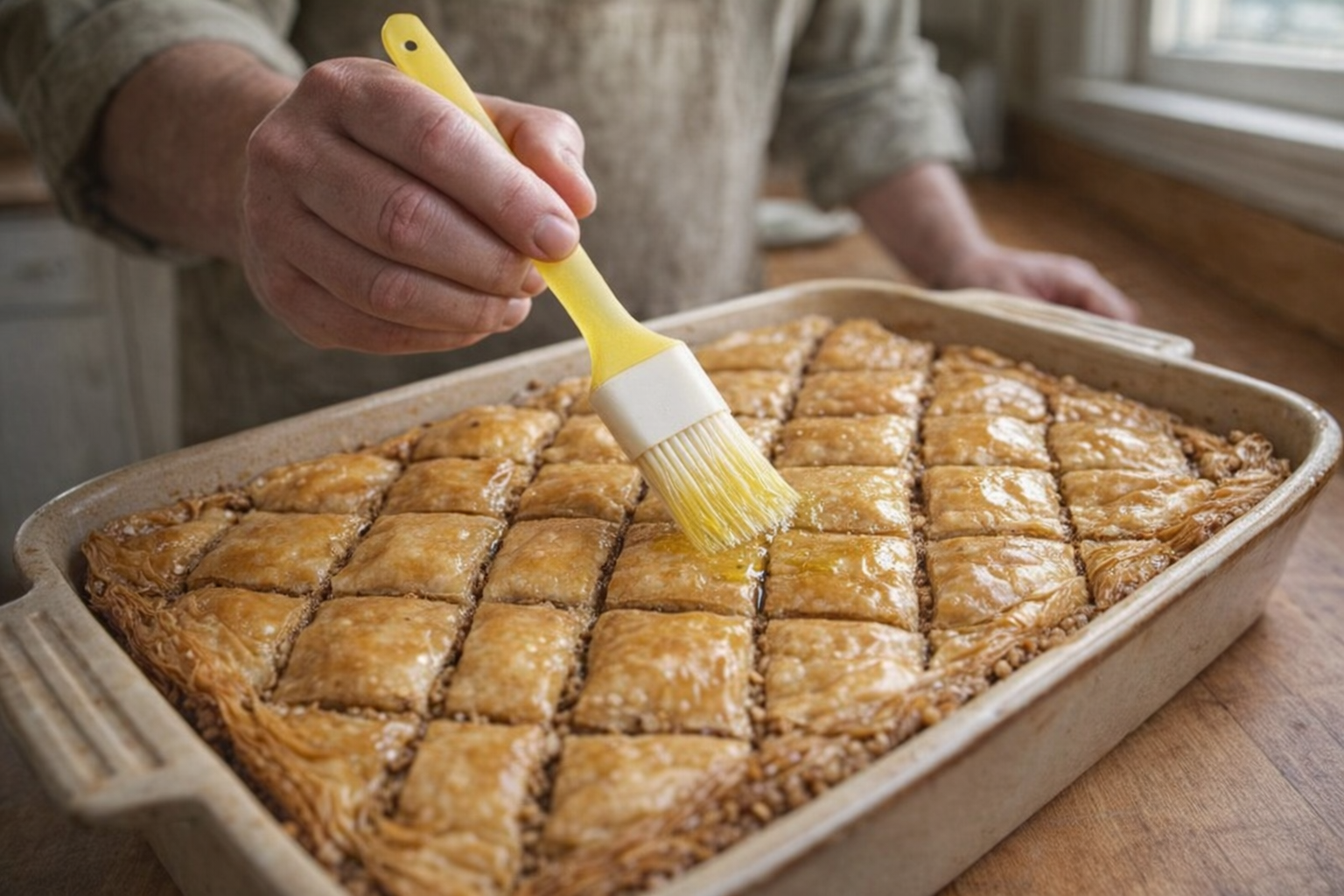
- Using a sharp knife or pizza cutter, score the top layer of phyllo into diamond or square shapes. Be sure to cut all the way through the top layers of phyllo before baking. The scent of butter will fill your kitchen as it bakes.
- Bake for 45-50 minutes, or until the baklava is golden brown and the phyllo is crisp. The color is a key indicator of doneness.
- Remove the baklava from the oven and immediately pour the cooled honey syrup evenly over the top. The syrup will sizzle as it soaks into the layers.
- Let the baklava cool completely in the pan, uncovered, for at least 4 hours or overnight. This allows the syrup to fully penetrate the layers and creates the signature sticky texture.
Cooking Time & Doneness Guide
- Baking Time: 45-50 minutes at 350°F (175°C)
- Internal Temperature: Not applicable for baklava.
Visual Cues
The phyllo dough should be a deep golden brown, and the syrup should be fully absorbed. If the top is browning too quickly, tent the pan with foil for the last 15 minutes of baking.
Tips for Perfection
- Preventing Soggy Baklava: Ensure the butter is clarified and use a generous amount between each phyllo layer.
- Crisp Phyllo: Don't overbake. The phyllo should be golden brown, not burnt.
- Even Syrup Distribution: Pour the cooled syrup evenly over the hot baklava. This helps it to absorb properly.
- Patience is Key: Allow the baklava to cool completely before cutting and serving. This allows the syrup to fully saturate the pastry.
Storage & Reheating
Store leftover baklava in an airtight container at room temperature for up to 5 days. Avoid refrigerating, as this can make the phyllo soggy. Reheating is not recommended, as it can also affect the texture. Baklava is best enjoyed at room temperature.
Serving Suggestions
- With Greek Coffee: The bitterness of Greek coffee perfectly complements the sweetness of baklava.
- With Vanilla Ice Cream: A scoop of vanilla ice cream adds a creamy contrast to the crunchy baklava.
- As Part of a Dessert Platter: Include baklava alongside other Greek treats like kourabiedes and melomakarona for a festive spread.
- As a Gift: Baklava makes a thoughtful and delicious gift for any occasion.
💡 Pro Tips
- Use high-quality honey for the syrup. The flavor of the honey will significantly impact the final taste of the baklava.
- Don't skip the clarifying butter step. It's crucial for preventing soggy baklava and achieving that perfect crispy texture.
- Score the baklava deeply before baking. This allows the syrup to penetrate evenly and prevents the top layers from lifting during baking.
- Let the baklava cool completely before serving. This allows the syrup to fully saturate the phyllo layers, resulting in a more flavorful and delicious dessert.
- If the top of the baklava is browning too quickly in the oven, tent it loosely with aluminum foil to prevent burning.
Frequently Asked Questions
While you can use pre-shredded nuts, freshly ground nuts will offer a superior flavor and texture. Pre-shredded nuts tend to be drier and may lack the natural oils that contribute to the richness of the baklava. If using pre-shredded, consider lightly toasting them before mixing with the spices to enhance their flavor.
Phyllo dough is delicate, so handle it with care. Keep the stack of phyllo covered with a damp towel to prevent it from drying out. Work quickly and gently when separating the sheets. If a sheet tears, don't worry too much! Simply patch it with another small piece of phyllo. The multiple layers will make any imperfections unnoticeable in the final product.
Yes, absolutely! In fact, it's recommended to make the honey syrup in advance. This allows it to cool completely before pouring it over the hot baklava, which is crucial for proper absorption. You can store the cooled syrup in an airtight container in the refrigerator for up to a week.
While clarified butter is ideal for preventing soggy baklava, you can substitute it with regular melted butter. However, be extra careful to skim off any foam from the surface of the melted butter and avoid pouring in the milky solids from the bottom of the pan. Ghee is another excellent substitute that has a similar flavor profile and properties to clarified butter.