 delishing
How to Cook Swiss Chard on the Stove: A Culinary Guide

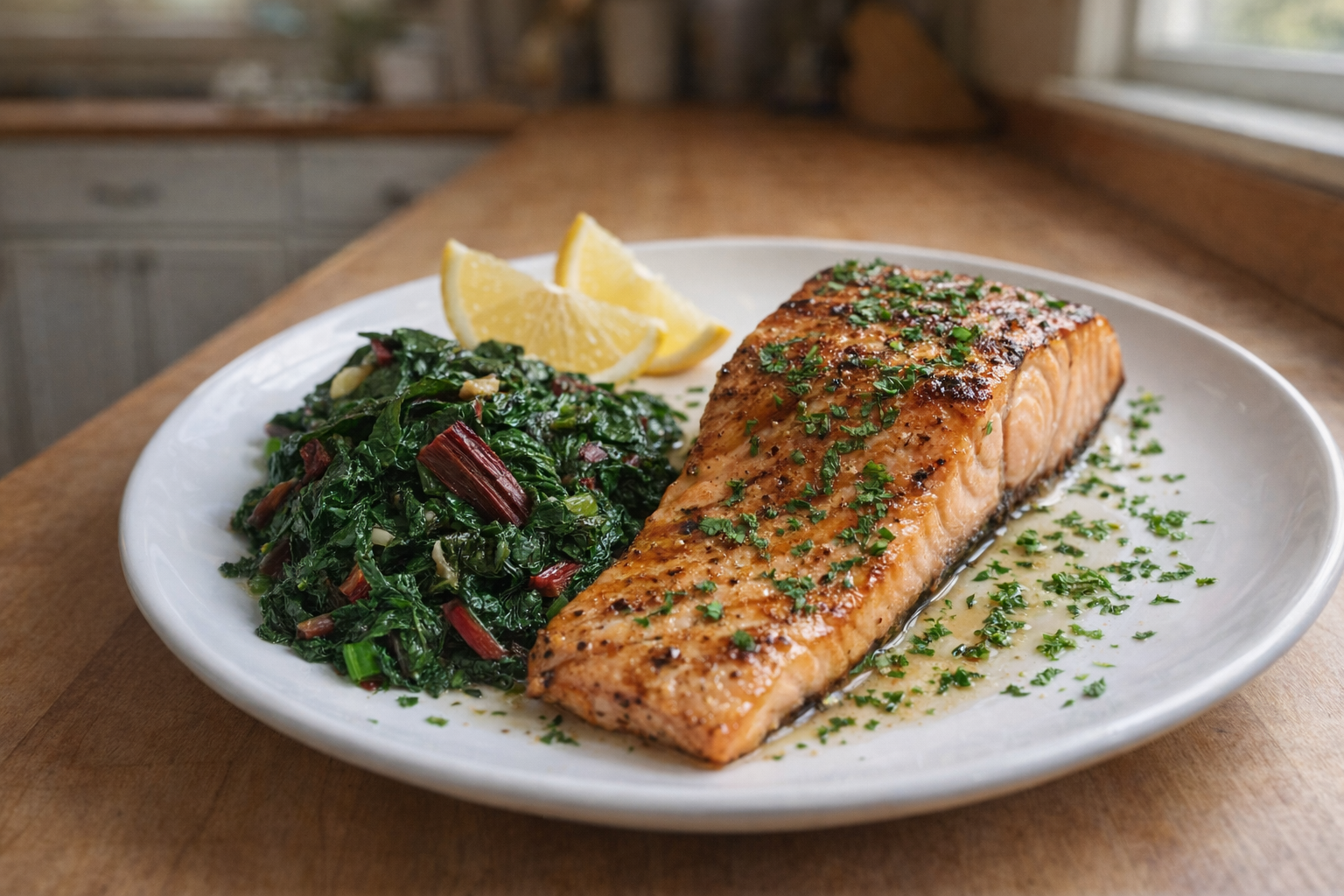
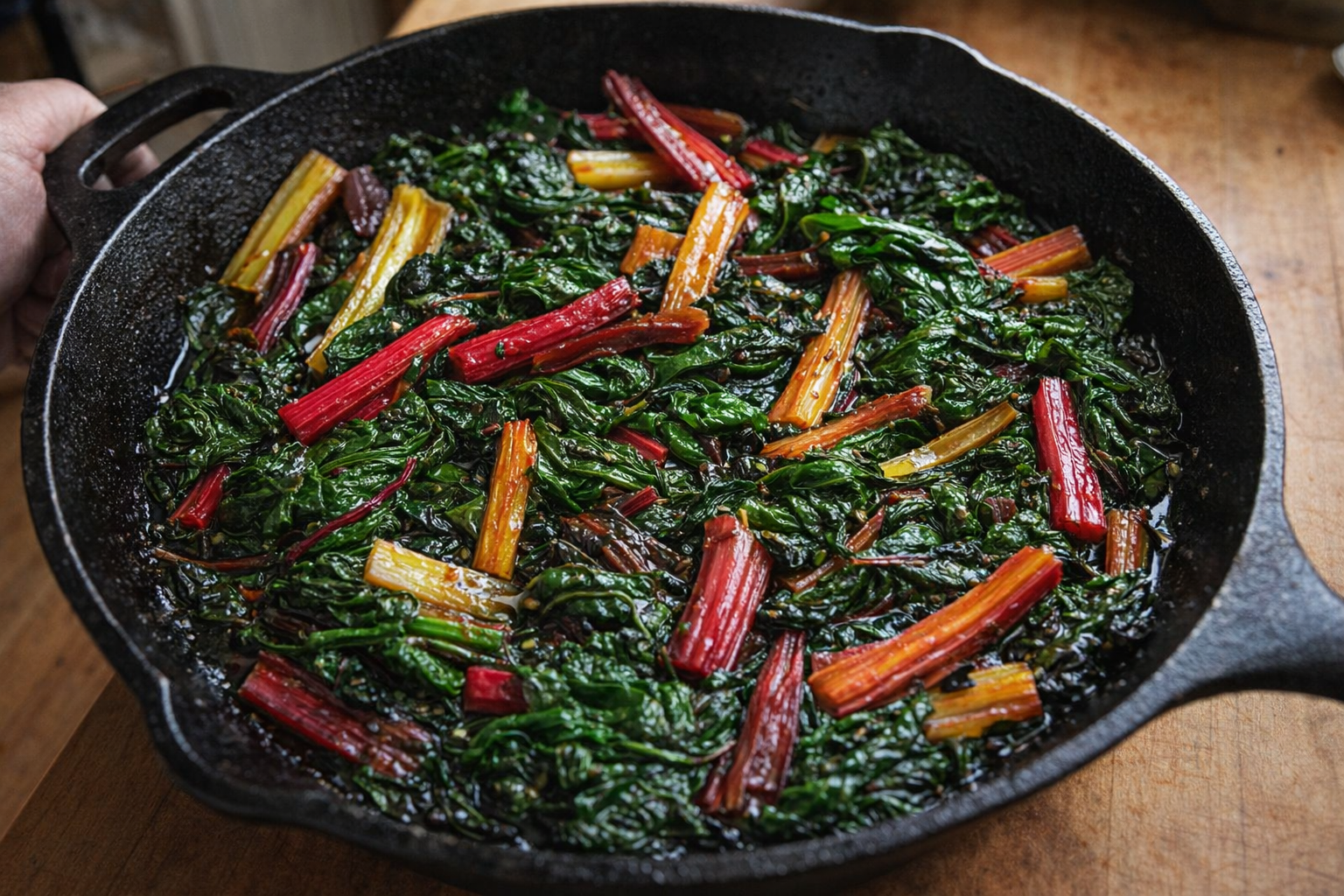
Swiss chard, with its vibrant stalks and verdant leaves, offers a slightly earthy and subtly bitter flavor profile that mellows beautifully when cooked. This guide focuses on sautéing, a method that allows the chard to retain a pleasant texture while maximizing its inherent flavors. The addition of aromatics like garlic and onion, coupled with a touch of balsamic vinegar, creates a balanced and savory dish.
Sautéing Swiss chard on the stovetop is a quick and simple way to enjoy this nutritious leafy green. The high heat and quick cooking time preserve the vitamins and minerals while allowing the natural sweetness of the chard to shine through.
Understanding Swiss Chard
Swiss chard, a member of the beet family, comes in several varieties, each offering a slightly different visual appeal but similar flavor. Common types include:
- Rainbow Chard: This variety boasts stalks in a range of colors, from red and yellow to orange and white. It's visually striking and adds a pop of color to your plate.
- Red Chard: Featuring deep red stalks and veins, this type offers a slightly more intense flavor than green chard.
- Green Chard: The most common variety, with green leaves and white stalks. It has a mild, slightly earthy flavor.
Why Cook Swiss Chard This Way?
- Versatility: Sautéed Swiss chard can be served as a side dish, added to pasta, stirred into soups, or used as a filling for omelets and frittatas.
- Flavor: Sautéing allows the natural flavors of the chard to develop, enhanced by the addition of garlic, onion, and balsamic vinegar.
- Convenience: This method is quick and easy, making it a perfect weeknight side dish.
Preparation (Mise en Place)
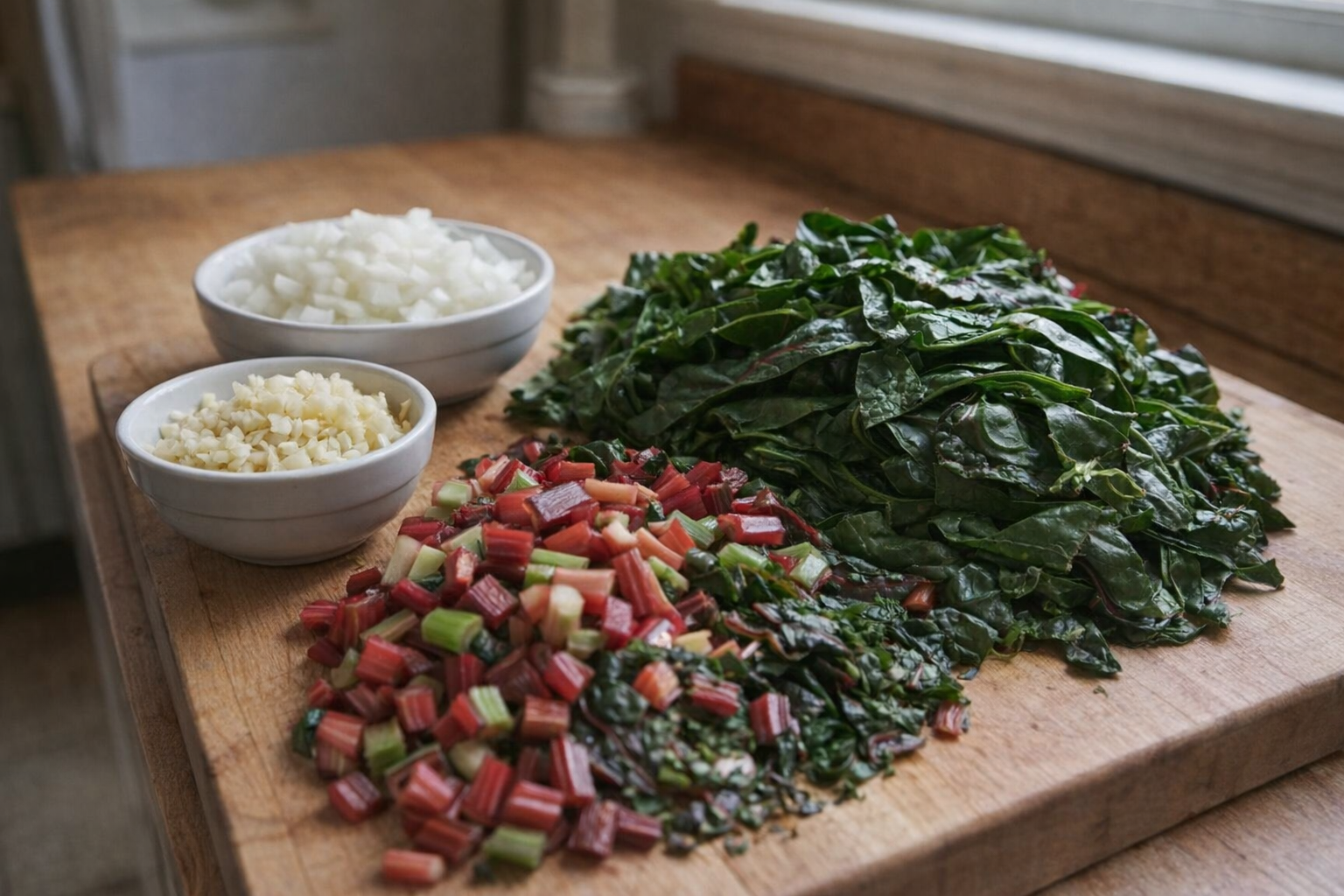
- Washing: Thoroughly wash the Swiss chard under cold running water to remove any dirt or grit. A salad spinner is helpful for drying the leaves.
- Separating Stems and Leaves: Separate the leaves from the stems. The stems require a longer cooking time, so they need to be cooked separately.
- Chopping: Chop the stems into 1/2-inch pieces. Cut the leaves into 1-inch ribbons.
- Aromatics: Dice one large onion and mince three cloves of garlic.
- Seasoning: Measure out your salt, pepper, dried thyme, and ground nutmeg.
Essential Tools
- Large skillet: A 12-inch skillet is ideal for cooking a large batch of Swiss chard. We use a stainless steel skillet here because it heats evenly and is easy to clean.
- Cutting board and knife: A sharp knife is essential for prepping the chard.
- Salad spinner: For effectively drying the leaves after washing.
The Cooking Method
Sautéed Swiss Chard with Garlic and Balsamic Vinegar
Ingredients:
- 2 large bunches Swiss chard (about 6 cups chopped)
- 2 tablespoons extra-virgin olive oil (30 ml)
- 1 large onion, diced (about 1 cup)
- 3 cloves garlic, finely chopped
- 1/2 teaspoon salt (2.5 ml)
- 1/4 teaspoon black pepper (1.25 ml)
- 1/4 teaspoon dried thyme (1.25 ml)
- Pinch of ground nutmeg (optional)
- 2 teaspoons balsamic vinegar (10 ml)
- Sauté the Stems: Heat the olive oil in a large skillet over medium heat. Add the chopped Swiss chard stems and diced onion. Sauté for 8-10 minutes, stirring occasionally, until the stems are tender and the onions are translucent and starting to turn golden. The aroma of the onions and stems will begin to fill your kitchen.
- Add Garlic and Spices: Add the minced garlic, salt, pepper, thyme, and nutmeg (if using). Cook for another minute, stirring constantly, until the garlic is fragrant. Be careful not to burn the garlic.
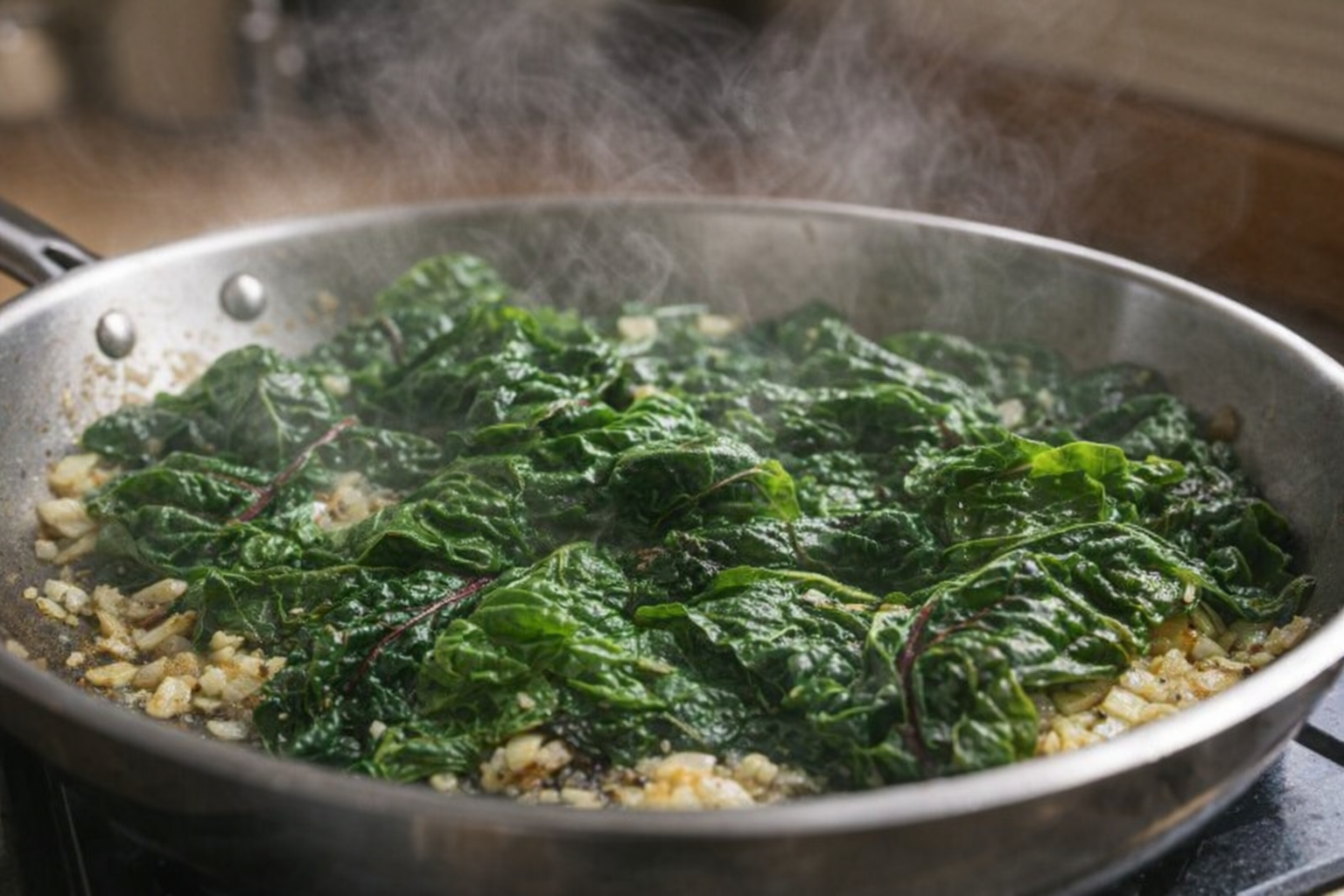
- Wilt the Leaves: Add the chopped Swiss chard leaves to the skillet. They will seem like a lot at first, but they will quickly wilt down. You may need to add the leaves in batches.
- Steam and Sauté: Add two tablespoons of water to the skillet, cover, and cook for 3-4 minutes, or until the leaves are wilted. The steam will help the leaves cook evenly. Remove the lid and continue to cook, stirring occasionally, for another 5 minutes, or until the leaves are tender and the excess moisture has evaporated. The leaves will turn a deep green color.
- Finish with Balsamic Vinegar: Remove the skillet from the heat and stir in the balsamic vinegar. The vinegar will add a touch of sweetness and acidity to the dish.
- Taste and Adjust: Taste the Swiss chard and adjust the seasoning as needed. Add more salt, pepper, or balsamic vinegar to taste.
Cooking Time & Doneness Guide
- Total Cooking Time: Approximately 20-25 minutes.
- Stem Cooking Time: 8-10 minutes, until tender.
- Leaf Cooking Time: 8-10 minutes, until wilted and tender.
Visual Cues
- The stems should be easily pierced with a fork.
- The leaves should be a deep green color and tender, not tough or stringy.
Tips for Perfection
- Don't Overcrowd the Pan: If you're cooking a large batch of Swiss chard, cook it in batches to avoid overcrowding the pan. Overcrowding will lower the temperature of the pan and cause the chard to steam instead of sauté.
- Don't Overcook the Leaves: Overcooked Swiss chard can become mushy and bitter. Cook the leaves just until they are tender.
- Adjust Seasoning to Taste: Taste the Swiss chard throughout the cooking process and adjust the seasoning to your liking.
Storage & Reheating
- Storage: Store leftover sautéed Swiss chard in an airtight container in the refrigerator for up to 3 days.
- Reheating: Reheat sautéed Swiss chard in a skillet over medium heat, or in the microwave. Add a splash of water or broth to prevent it from drying out.
Serving Suggestions
- As a Side Dish: Serve sautéed Swiss chard as a simple and healthy side dish alongside grilled chicken, fish, or steak.
- In Pasta: Stir sautéed Swiss chard into pasta dishes for added flavor and nutrients.
- In Soups: Add sautéed Swiss chard to soups and stews for a boost of vitamins and minerals.
- In Omelets and Frittatas: Use sautéed Swiss chard as a filling for omelets and frittatas.
💡 Pro Tips
- Separate the tough stalks from the leaves and begin sautéing them a few minutes early to ensure they are fully tender by the time the greens finish.
- Sauté the onions until translucent before adding the garlic to prevent the garlic from burning and becoming bitter.
- Add a splash of balsamic vinegar at the very end of the cooking process to brighten the earthy flavors and balance the natural bitterness of the chard.
- If the leaves seem too dry while cooking, add a tablespoon of water or broth to create steam and help them wilt evenly.
- Remove the pan from the heat as soon as the leaves have wilted and turned bright green to maintain their vibrant color and delicate texture.
Frequently Asked Questions
Yes, you can use frozen Swiss chard. Be sure to thaw it completely and squeeze out any excess water before adding it to the skillet, as frozen chard tends to release more moisture during cooking. You may need to adjust the cooking time slightly.
If you don't have balsamic vinegar, you can substitute it with red wine vinegar or a squeeze of lemon juice. These will provide a similar acidity to balance the earthy flavors of the chard. Start with a small amount and adjust to taste.
Leftover sautéed Swiss chard can be stored in an airtight container in the refrigerator for up to 3 days. Reheat it gently in a skillet or microwave before serving, and it's best to consume it as soon as possible to maintain its flavor and texture.
Swiss chard can sometimes be a bit bitter. To reduce the bitterness, you can blanch the leaves in boiling water for a minute before sautéing them. Additionally, ensuring you use enough salt and acid (like balsamic vinegar) in the recipe will help balance the flavors.