 delishing
How to Cook Salmon on the Stove for Perfect Flakiness and Crispy Skin

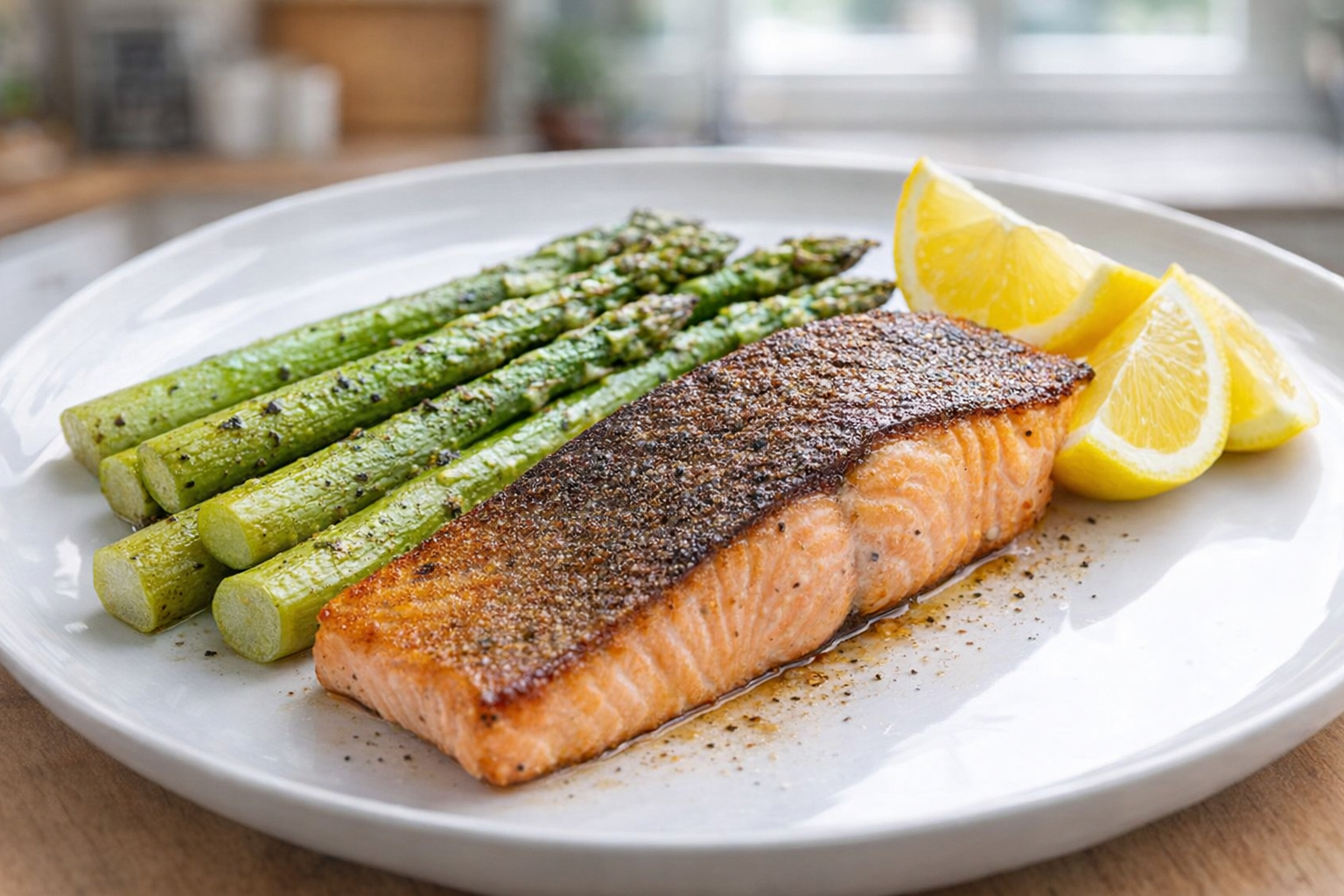
Pan-searing salmon on the stovetop is a technique that delivers restaurant-quality results in minutes. The high heat quickly sears the skin, creating a delightful crispness that contrasts beautifully with the tender, flaky flesh. A simple combination of salt, pepper, and aromatic spices enhances the salmon's natural flavors, creating a dish that's both satisfying and elegant.
This method excels at producing even cooking and a moist, flavorful interior. The direct contact with the hot pan ensures the skin crisps up without overcooking the salmon. With a few key techniques, you can master pan-seared salmon and enjoy a healthy, delicious meal any night of the week.
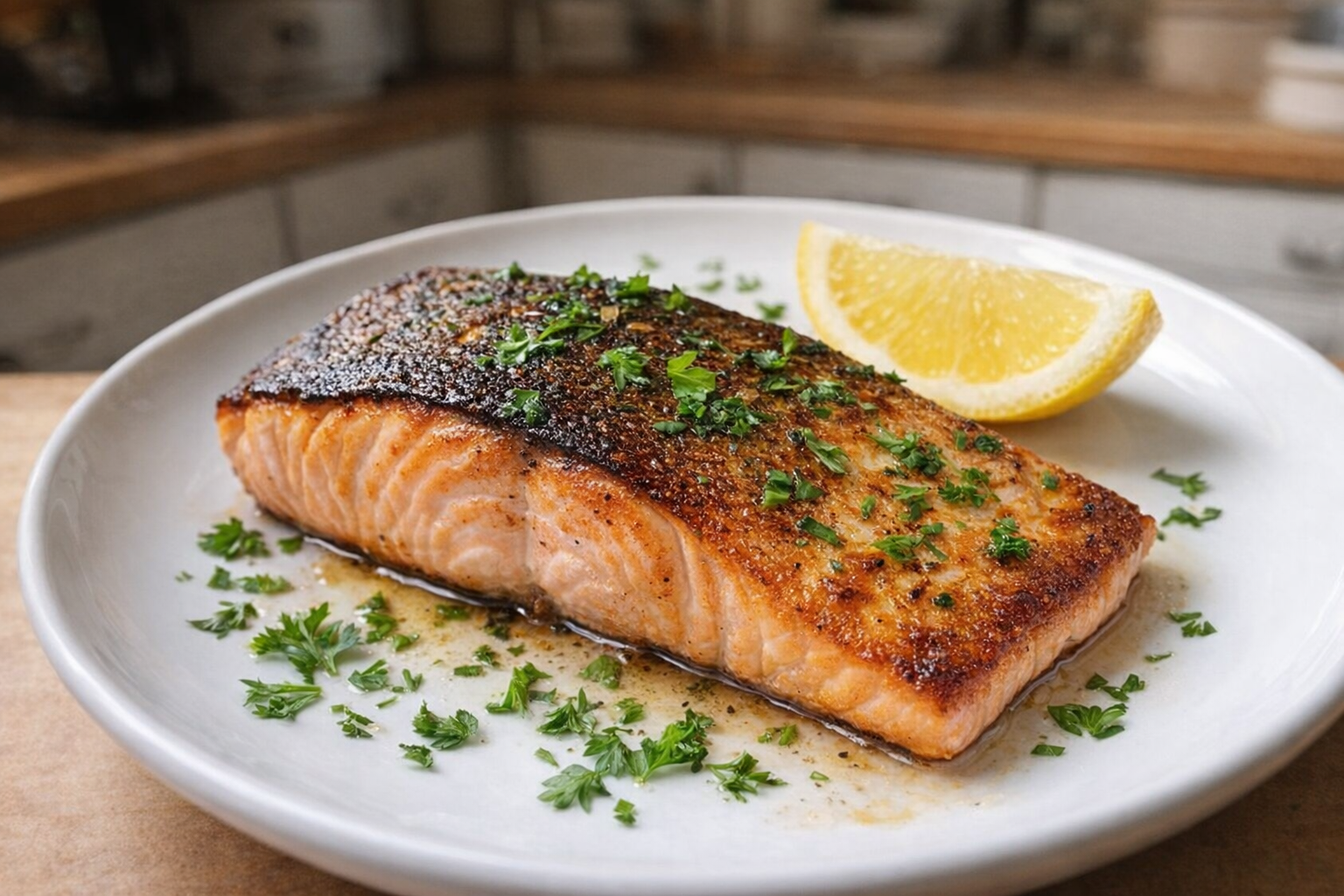
Understanding Salmon Cuts
Selecting the right salmon is essential for the best pan-seared results. Look for fillets that are about 1-inch thick, with the skin still attached. The skin provides a layer of protection during cooking, preventing the flesh from drying out and contributing to that coveted crispy texture.
When purchasing salmon, consider these common varieties:
- Atlantic Salmon: Farm-raised, generally milder in flavor, and readily available. Often more affordable but can have a higher fat content.
- Sockeye Salmon: Wild-caught, known for its deep red color and rich, robust flavor. Tends to be leaner than Atlantic salmon.
- King (Chinook) Salmon: Prized for its high fat content and buttery flavor. Often the most expensive and considered the highest quality.
- Coho Salmon: A good middle ground between Sockeye and King, with a milder flavor and moderate fat content.
Why Cook Salmon This Way?
- Versatility: Perfect as a quick weeknight dinner or an elegant dish for entertaining. Adapts well to various sauces, seasonings, and sides.
- Flavor: Searing enhances the natural flavors of the salmon, creating a delicious balance of crispy skin and tender flesh.
- Convenience: This method is fast and requires minimal ingredients and equipment. Ready in under 15 minutes.
Preparation (Mise en Place)
- Thawing (if frozen): Thaw salmon in the refrigerator overnight or submerge it in a cold water bath for 30-60 minutes. Ensure it's fully thawed before cooking for even results.
- Patting Dry: Pat the salmon fillets dry with paper towels. This step is crucial for achieving crispy skin, as excess moisture will steam the fish instead of searing it.
- Trimming (optional): If desired, trim any excess fat or uneven edges from the fillets for a more uniform shape.
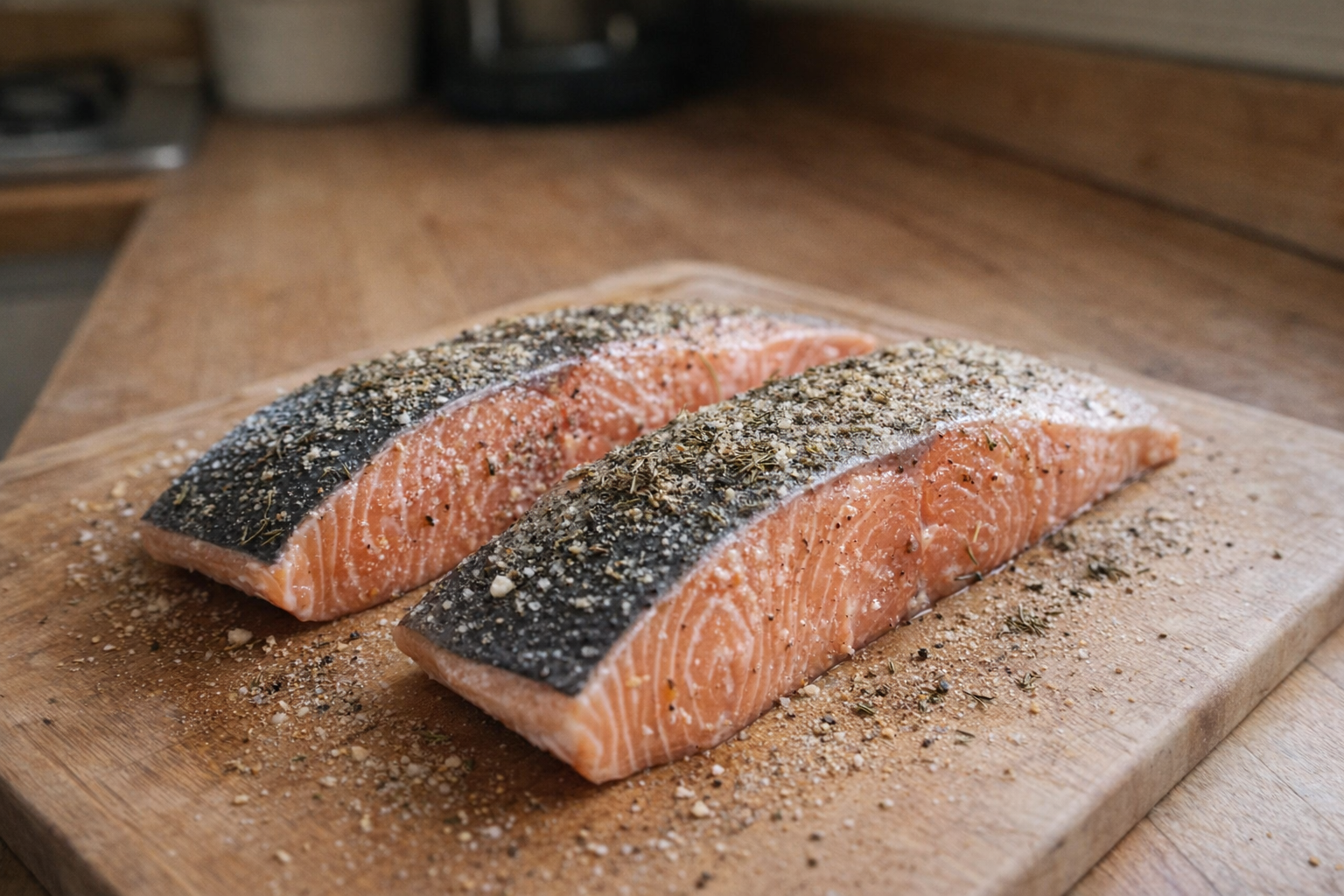
- Seasoning: Generously season the salmon fillets on both sides with kosher salt, black pepper, garlic powder, and dried thyme.
Essential Tools
- Cast Iron Skillet (or heavy-bottomed skillet): Cast iron retains heat exceptionally well, ensuring even cooking and a perfectly seared crust. A heavy-bottomed stainless steel skillet is a good alternative.
- Fish Spatula: The thin, flexible edge of a fish spatula makes it ideal for flipping delicate salmon fillets without tearing them.
- Instant-Read Thermometer: Essential for accurately gauging the salmon's internal temperature and ensuring it's cooked to your desired level of doneness.
The Cooking Method(s)
Method 1: Pan-Seared Salmon with Crispy Skin
This is the foundational method, focusing on achieving the perfect sear and ensuring the salmon is cooked to a safe and enjoyable doneness.
Ingredients:
- 2 (6-ounce) salmon fillets, skin-on
- 1/2 teaspoon kosher salt
- 1/4 teaspoon black pepper
- 1/2 teaspoon garlic powder
- 1/4 teaspoon dried thyme
- 1 tablespoon olive oil
- 1 tablespoon butter
- 2 lemon slices, ¼-inch thick
- 2 tablespoons chopped parsley, for garnish
- Prepare the Salmon: Pat the salmon fillets dry with paper towels and season generously on both sides with kosher salt, black pepper, garlic powder, and dried thyme.
- Heat the Pan: Place a 12-inch cast iron skillet (or heavy-bottomed skillet) over medium-high heat. Allow the pan to heat up thoroughly until a drop of water sizzles and evaporates almost immediately. This usually takes 3-5 minutes.
- Add Fat: Add the olive oil and butter to the hot pan. Swirl to coat the bottom evenly. The butter should melt and start to foam slightly.
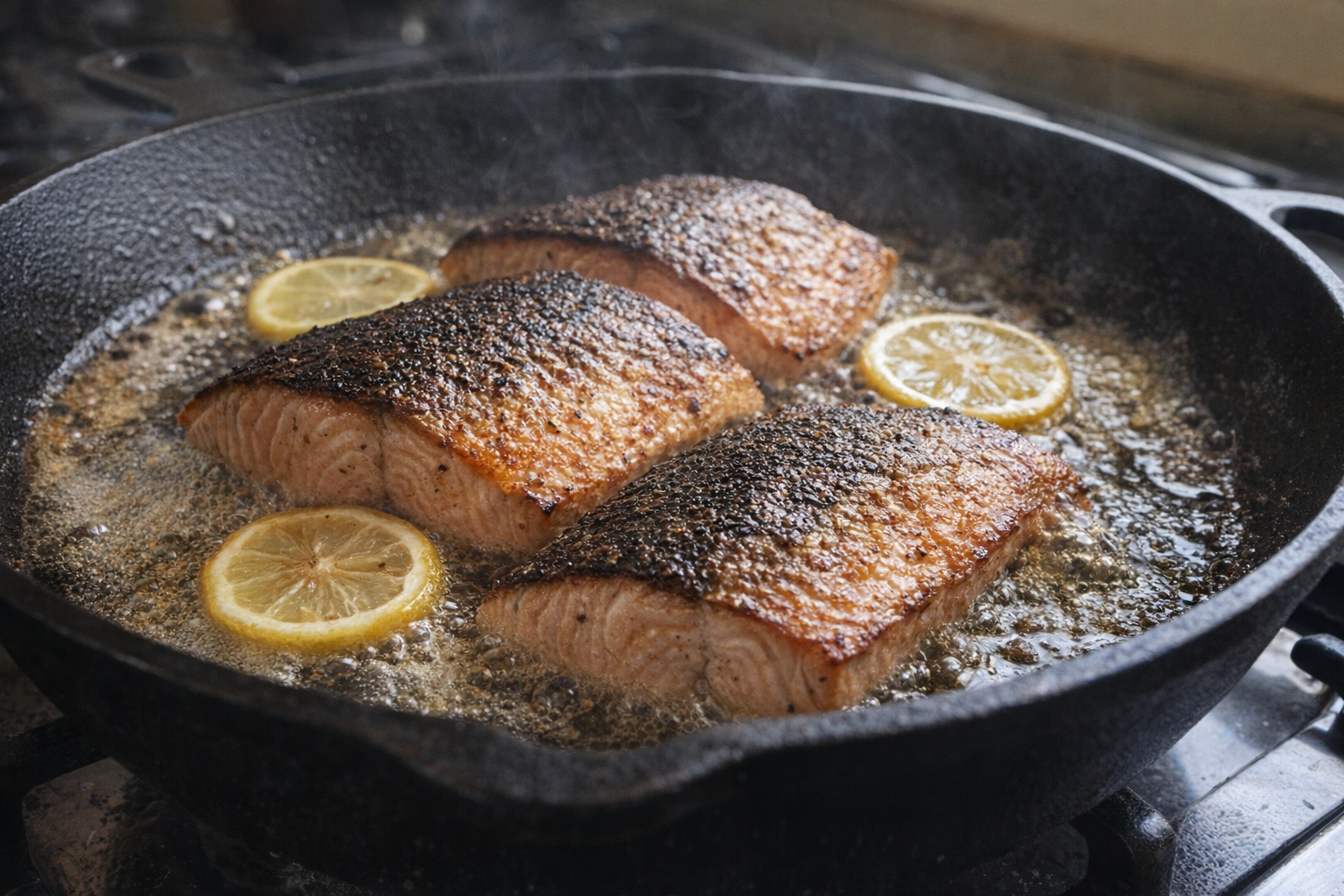
- Sear the Skin: Carefully place the salmon fillets in the pan, skin-side down. If desired, add lemon slices to the pan around the salmon for added flavor and aroma.
- Maintain Contact: Use a spatula to gently press down on the salmon fillets for the first minute of cooking. This ensures the skin makes full contact with the hot pan, promoting even searing.
- Cook Undisturbed: Allow the salmon to cook undisturbed for 4-6 minutes, depending on the thickness of the fillets. You should see the skin turn golden brown and crispy. You'll hear a distinct sizzling sound as the skin renders and crisps.
- Flip and Finish: Gently flip the salmon fillets and lemon slices (if using). Reduce the heat to medium. Continue cooking for an additional 2-4 minutes, or until the salmon is cooked to your desired doneness. For thicker fillets (½ inch or more), cook the edges for about 2 minutes per side to ensure even cooking.
- Check for Doneness: The salmon is cooked when its internal temperature reaches 135°F (57°C) for medium doneness, or 145°F (63°C) for well-done. The flesh should be opaque and flake easily with a fork.
- Rest and Serve: Transfer the cooked salmon fillets to a serving plate. Drizzle the flavorful pan juices over the fish for added moisture and taste. Garnish with the cooked lemon slices and a sprinkle of freshly chopped parsley.
Cooking Time & Doneness Guide
Cooking Time:
- Total Cooking Time: Approximately 8-10 minutes, depending on the thickness of the fillets and the heat of your pan.
- Skin-Side Down: 4-6 minutes
- Flesh-Side Down: 2-4 minutes
Internal Temperature:
- Medium: 135°F (57°C)
- Well-Done: 145°F (63°C)
Visual Cues
- Color: The salmon should transition from translucent to opaque as it cooks.
- Texture: The flesh should flake easily with a fork, separating along the muscle fibers.
- Appearance: The skin should be golden brown and crispy.
Tips for Perfection
- Don't Overcrowd the Pan: Cook the salmon in batches if necessary to avoid overcrowding the pan. Overcrowding lowers the pan temperature and can result in steamed, rather than seared, salmon.
- Control the Heat: Adjust the heat as needed to prevent burning. If the skin is browning too quickly, reduce the heat to medium or medium-low.
- Use a Thermometer: An instant-read thermometer is the most accurate way to ensure the salmon is cooked to your desired doneness.
- Rest Before Serving: Allow the salmon to rest for a few minutes before serving. This allows the juices to redistribute throughout the fish, resulting in a more moist and flavorful final product.
Storage & Reheating
Storage:
- Allow the cooked salmon to cool completely before storing.
- Place the salmon in an airtight container and refrigerate for up to 2-3 days.
Reheating:
- Oven: Preheat the oven to 275°F (135°C). Place the salmon on a baking sheet and cover with foil. Heat for 10-15 minutes, or until warmed through.
- Skillet: Heat a small amount of oil in a skillet over medium-low heat. Gently warm the salmon for a few minutes on each side until heated through.
- Microwave: Place the salmon on a microwave-safe plate and cover with a damp paper towel. Heat in 30-second intervals, checking frequently to avoid overcooking.
- Cold: Enjoy leftover salmon cold in salads, sandwiches, or as a protein addition to other dishes.
Serving Suggestions
- With Roasted Vegetables: Serve the pan-seared salmon with a medley of roasted vegetables such as broccoli, Brussels sprouts, and sweet potatoes for a healthy and flavorful meal.
- Over Quinoa or Rice: Flake the salmon over a bed of quinoa or rice and top with a lemon-herb sauce for a satisfying and balanced dish.
- In a Salad: Add the salmon to a mixed green salad with avocado, cherry tomatoes, and a vinaigrette dressing for a light and refreshing lunch or dinner.
- As Salmon Cakes: Combine flaked leftover salmon with breadcrumbs, egg, and seasonings to create delicious salmon cakes. Pan-fry or bake the cakes until golden brown and serve with a tartar sauce or lemon aioli.
💡 Pro Tips
- Pat the salmon skin completely dry with paper towels before seasoning to ensure maximum crispiness when it hits the hot oil.
- Allow the salmon fillets to sit at room temperature for about fifteen minutes before cooking to promote even heat distribution.
- Place the salmon skin-side down in a preheated pan and press down gently with a spatula for thirty seconds to prevent the skin from curling.
- Resist the urge to move the fillets until the skin has fully crisped and releases naturally from the surface of the pan.
- Remove the salmon from the heat once it reaches an internal temperature of 125°F to allow for carryover cooking and maintain a flaky texture.
Frequently Asked Questions
While it's best to thaw salmon fully for even cooking, you can cook it from a partially frozen state. Just be sure to increase the cooking time slightly and use a meat thermometer to ensure it reaches a safe internal temperature.
Ensure your pan is hot enough before adding the salmon. Also, use enough oil and don't move the salmon around too much in the first few minutes of cooking, allowing the skin to properly sear and release from the pan.
Yes, you can substitute the oil with other options that have a high smoke point, such as avocado oil, grapeseed oil, or even clarified butter (ghee). Avoid using olive oil, as its lower smoke point can cause it to burn at the high temperatures needed for crispy skin.
Allow the cooked salmon to cool completely before storing it in an airtight container in the refrigerator. It's best to consume it within 1-2 days to maintain its quality and prevent spoilage.