 delishing
How to Cook Meatballs on the Oven

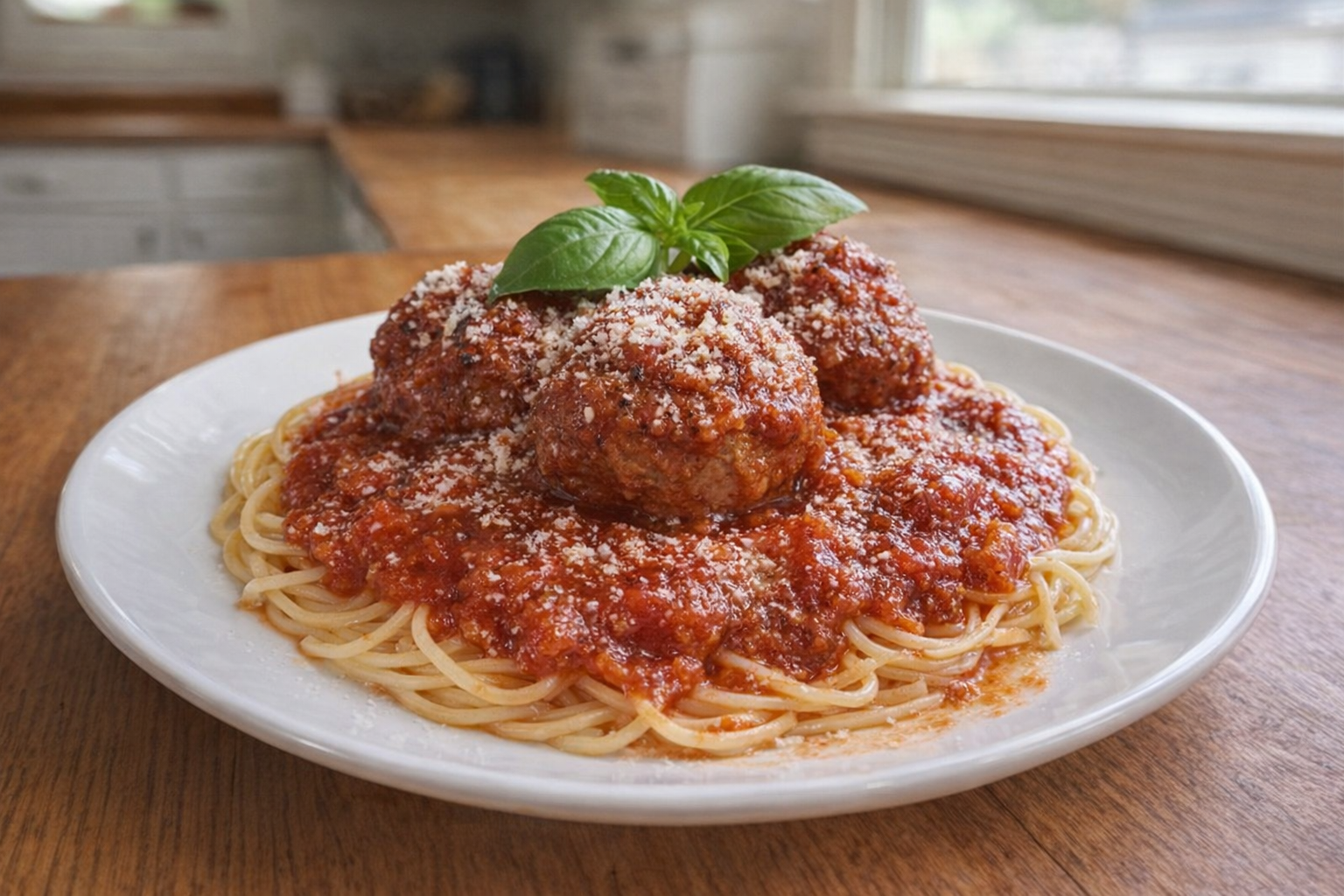
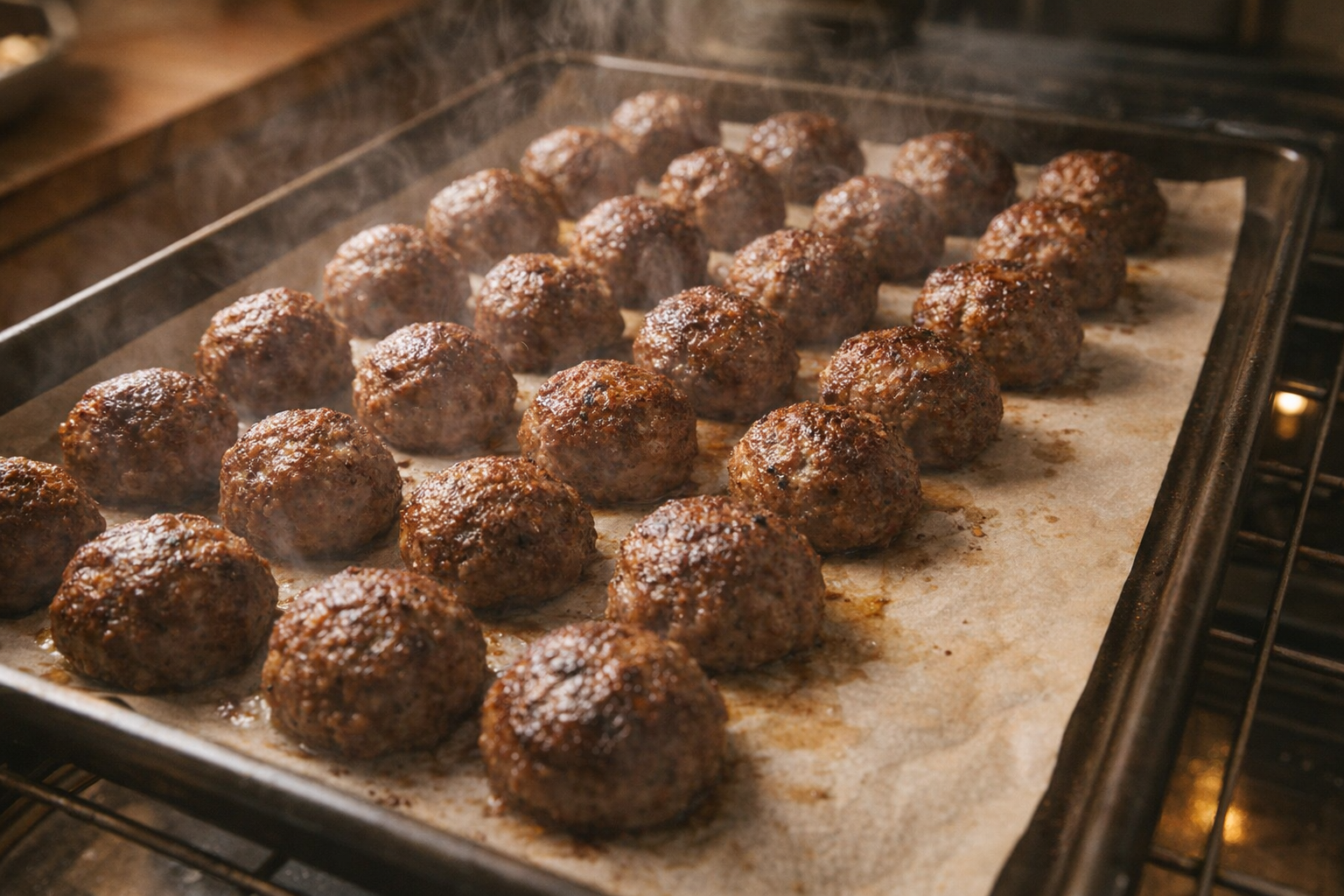
Oven-baked meatballs deliver a deeply savory experience, with a satisfyingly browned exterior that gives way to a tender, juicy interior. Baking, rather than frying, offers a hands-off approach that allows for even cooking and minimal mess, making it perfect for both weeknight dinners and larger gatherings. The oven's consistent heat ensures a uniform texture and flavor throughout.
This method also allows the natural flavors of the meat and seasonings to meld beautifully. The dry heat encourages a Maillard reaction on the surface, creating complex, umami-rich notes that enhance the overall taste. Furthermore, baking eliminates the need for excessive oil, making it a healthier alternative to pan-frying.
Understanding Ground Meat
The choice of ground meat is paramount to the final outcome of your meatballs.
- Ground Beef: Opt for a blend with around 80% lean meat to 20% fat for optimal flavor and juiciness. The fat renders during cooking, keeping the meatballs moist. Chuck is a good option.
- Ground Pork: Adds a subtle sweetness and tenderness. Shoulder (Boston Butt) is often ground and works well.
- Ground Turkey/Chicken: Use dark meat for added flavor, as lean ground turkey/chicken can result in dry meatballs.
- Italian Sausage: Adds a burst of flavor. Remove the casings before adding the sausage to the meatball mixture.
- Veal: Adds tenderness, but can be expensive.
Why Cook Meatballs This Way?
- Versatility: Baked meatballs can be used in a wide range of dishes, from pasta and subs to soups and appetizers.
- Flavor: The oven's consistent heat allows for even browning and enhanced flavor development.
- Convenience: Baking is a hands-off method that frees you up to focus on other tasks.
Preparation (Mise en Place)
Before starting, ensure your ground meat is fully thawed. If frozen, place it in the refrigerator overnight or use the defrost setting on your microwave. Thawing at room temperature is not recommended due to food safety concerns. Gather all ingredients and measuring tools.
Essential Tools
- Large Mixing Bowl: A stainless steel or glass bowl is ideal for combining the meatball ingredients.
- Baking Sheet: A rimmed baking sheet is essential to prevent any drippings from spilling into the oven.
- Parchment Paper or Silicone Baking Mat: These prevent the meatballs from sticking to the baking sheet and make cleanup easier.
- Cookie Scoop (Optional): A cookie scoop ensures uniform meatball size.
- Meat Thermometer: A reliable instant-read thermometer is crucial for verifying doneness.
The Cooking Method(s)
Method 1: Classic Oven-Baked Meatballs
Ingredients:
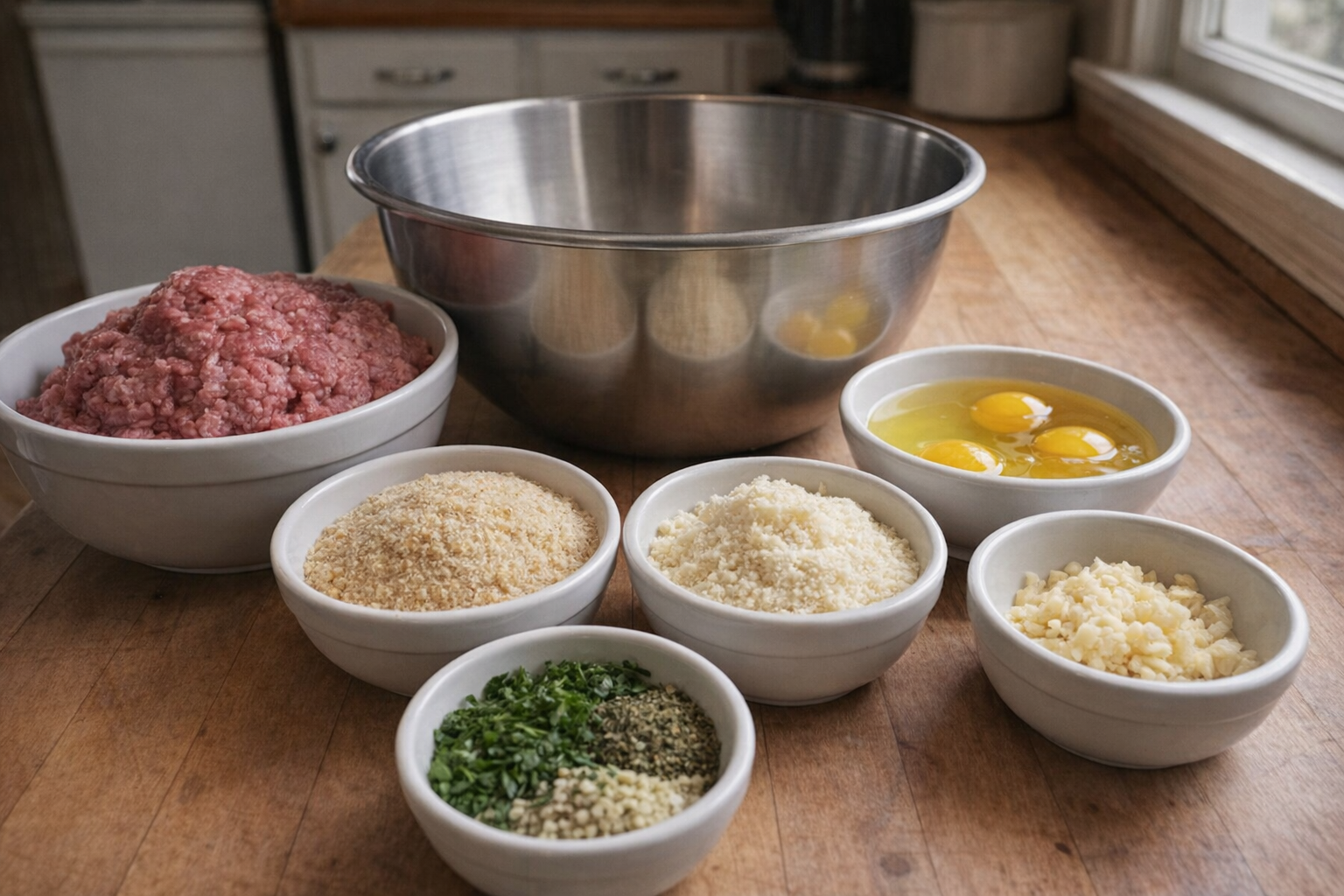
- 1 pound (454g) ground beef (80/20 blend)
- 1/2 pound (227g) ground pork
- 1 cup (120g) breadcrumbs (panko or Italian)
- 1/2 cup (50g) grated Parmesan cheese
- 2 large eggs, lightly beaten
- 4 cloves garlic, minced
- 1 tablespoon dried oregano
- 1 tablespoon dried basil
- 1 teaspoon salt
- 1/2 teaspoon black pepper
- 1/4 cup (60ml) milk
- 2 tablespoons chopped fresh parsley (optional)
- Preheat oven to 400°F (200°C). Line a baking sheet with parchment paper.
- In a small bowl, combine breadcrumbs and milk. Let stand for 5 minutes to soften. The aroma of the breadcrumbs mixing with the milk will begin to fill the air.
- In a large mixing bowl, combine ground beef, ground pork, softened breadcrumbs, Parmesan cheese, eggs, garlic, oregano, basil, salt, pepper, and parsley (if using).
- Gently mix with your hands until just combined. Avoid overmixing, which can lead to tough meatballs. The mixture should feel moist but not overly wet.
- Using a cookie scoop or your hands, form the mixture into 1-inch meatballs. Place them on the prepared baking sheet, spacing them about 1 inch apart.
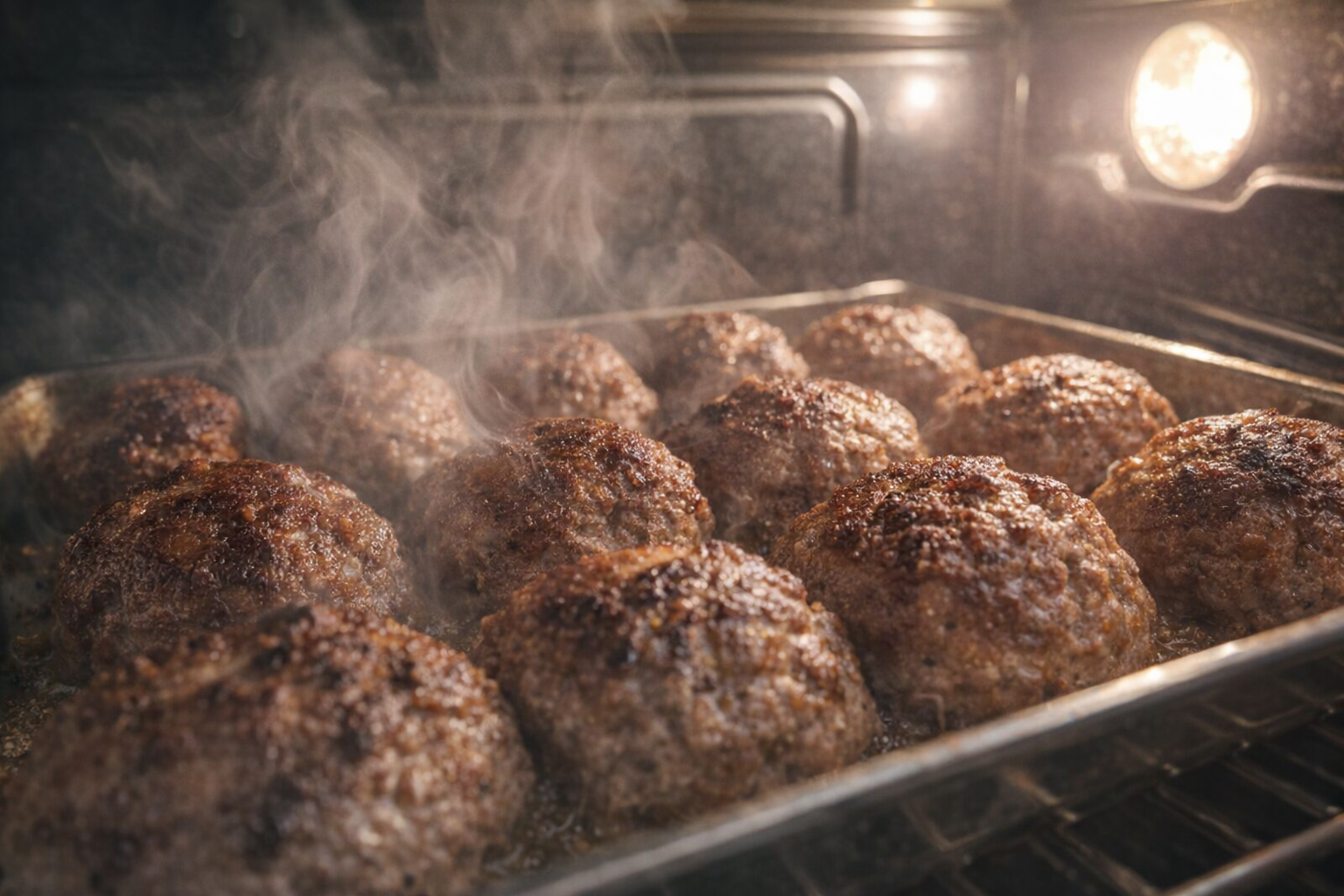
- Bake for 18-22 minutes, or until the meatballs are golden brown and the internal temperature reaches 160°F (71°C). The kitchen will be filled with the savory aroma of cooked meat, garlic, and herbs.
- If desired, broil for the last 2-3 minutes for extra browning, watching carefully to prevent burning. The sound of the meatballs sizzling under the broiler will signal their readiness.
Cooking Time & Doneness Guide
- Cooking Time: 18-22 minutes at 400°F (200°C).
- Internal Temperature: 160°F (71°C) for beef and pork, 165°F (74°C) for poultry.
Visual Cues
The meatballs should be evenly browned on the outside and firm to the touch. Cutting one in half will reveal a fully cooked interior with no pink remaining. The juices should run clear when pierced with a fork.
Tips for Perfection
- Don't Overmix: Overmixing develops the gluten in the meat, resulting in tough meatballs. Mix gently until just combined.
- Use a Cookie Scoop: Ensures uniform meatball size for even cooking.
- Don't Overcrowd the Pan: Overcrowding steams the meatballs instead of browning them. Use two baking sheets if necessary.
- Check the Internal Temperature: A meat thermometer is the most reliable way to ensure the meatballs are fully cooked.
Storage & Reheating
Store leftover baked meatballs in an airtight container in the refrigerator for up to 3-4 days. For longer storage, freeze the meatballs in a single layer on a baking sheet before transferring them to a freezer bag or container. Frozen meatballs can be stored for up to 2-3 months.
To reheat, thaw the meatballs in the refrigerator overnight or in the microwave. Reheat in a 350°F (175°C) oven until warmed through, or gently simmer in your favorite sauce. Avoid overheating, which can dry out the meatballs.
Serving Suggestions
- Spaghetti and Meatballs: A classic pairing. Serve the meatballs with your favorite marinara sauce and spaghetti.
- Meatball Subs: Place the meatballs on toasted hoagie rolls with marinara sauce and melted mozzarella cheese.
- Meatball Soup: Add the meatballs to a hearty vegetable or tomato-based soup.
- Meatball Appetizers: Serve the meatballs with toothpicks and a dipping sauce, such as barbecue or sweet and sour.
Frequently Asked Questions
While this recipe is designed for fresh meatballs, you can use frozen meatballs if needed. Be sure to thaw them completely before baking, and expect a slightly different texture as they may release more moisture during cooking. Reduce the baking time accordingly and ensure they reach an internal temperature of 165°F.
Dry meatballs usually indicate a lack of fat or overbaking. Ensure you're using ground meat with a sufficient fat content (around 80% lean to 20% fat for beef). You can also add a tablespoon or two of olive oil or milk to the meatball mixture to increase moisture, and make sure you're not overbaking them.
Cooked meatballs can be stored in the refrigerator for 3-4 days in an airtight container. For longer storage, you can freeze them for up to 2-3 months. Thaw them in the refrigerator overnight before reheating.
If you don't have parchment paper, you can use a silicone baking mat, which is reusable and works similarly. Alternatively, you can lightly grease the baking sheet with cooking spray, but be aware that the meatballs might stick slightly more.