 delishing
How to Cook Lobster on the Stove for the Juiciest Meat

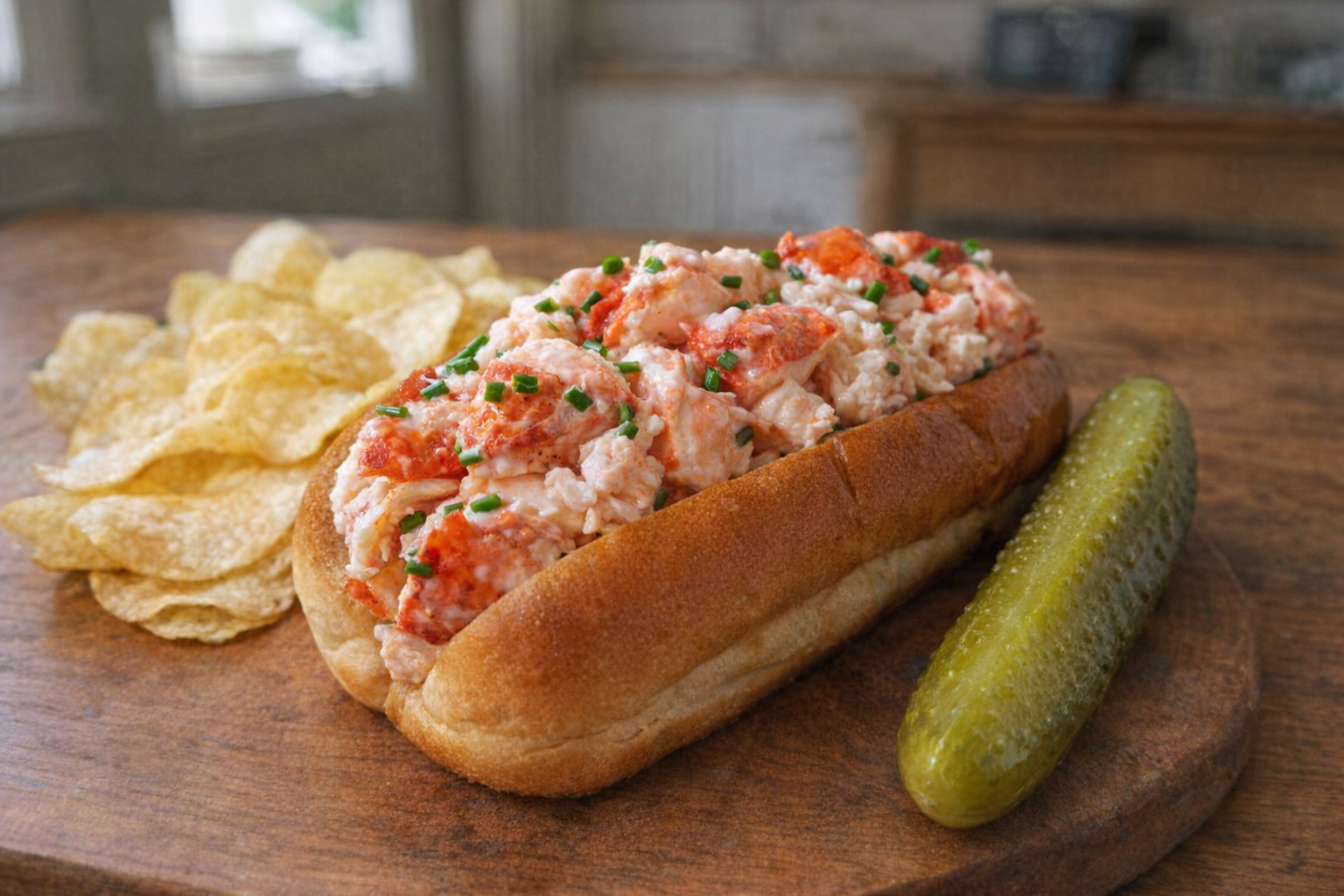
The sweet, slightly briny flavor of perfectly cooked lobster is a true culinary delight. This guide focuses on achieving that ideal tenderness and juiciness through several popular cooking methods. By controlling the heat and timing, we avoid the common pitfalls of rubbery or dry lobster meat, ensuring a restaurant-quality experience at home.
This comprehensive guide will walk you through selecting the best lobster, preparing it properly, and mastering four distinct cooking techniques – boiling, grilling, baking, and steaming – each designed to extract the maximum flavor and succulent texture from this prized seafood. We'll also cover essential tips for storage, reheating, and serving, so you can confidently create a memorable lobster feast.
Understanding Lobster
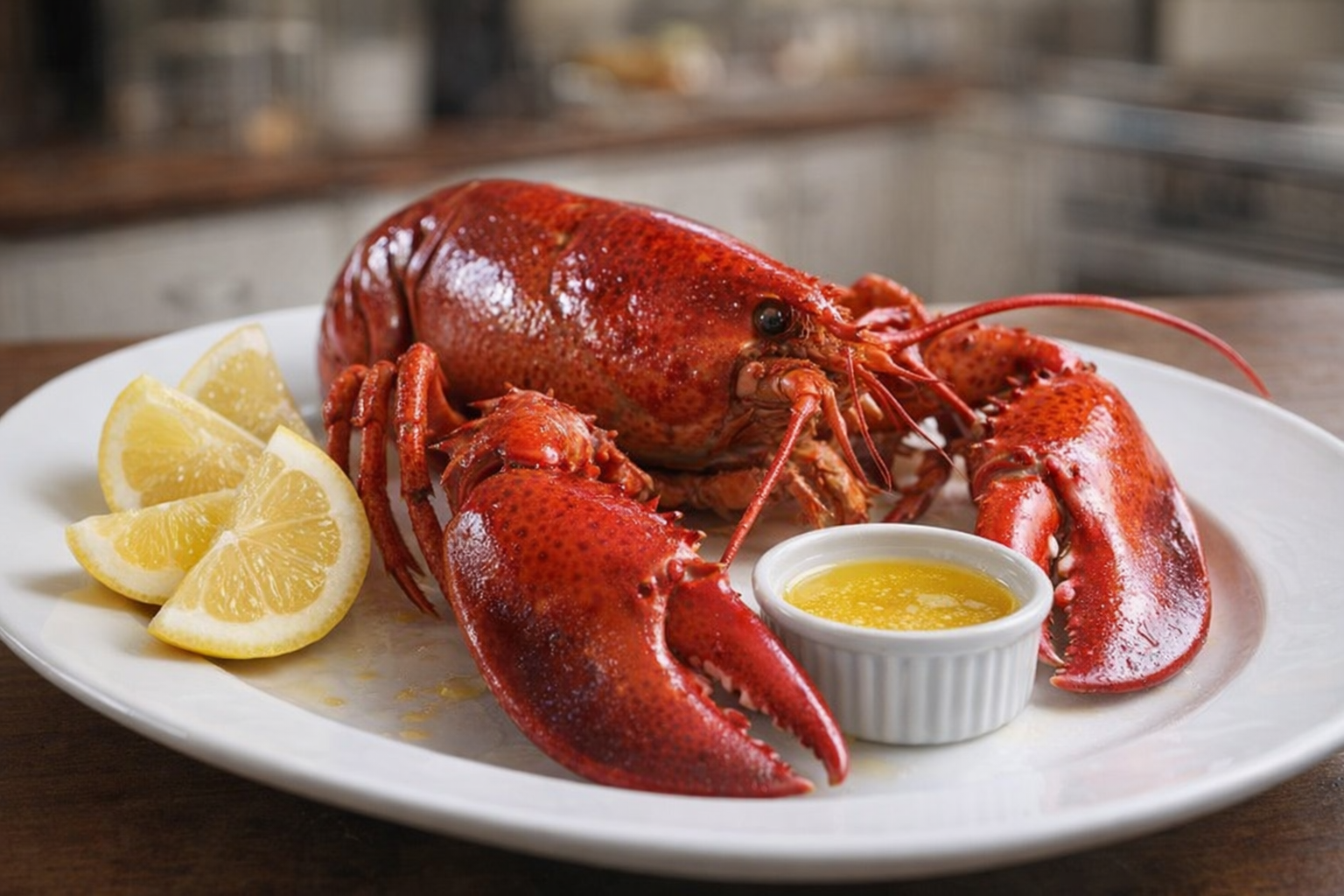
When buying lobster, prioritize live ones. A dead lobster quickly releases enzymes that degrade the flesh, resulting in a mushy, unpleasant texture. Look for active lobsters in the tank – they should move their legs and claws when disturbed. Avoid lobsters that appear sluggish or unresponsive.
Lobster size impacts cooking time; a 1.5-pound lobster will take longer than a 1-pounder. Also, consider the source: Maine lobster (Homarus americanus) is prized for its sweet, firm meat, while other varieties may have a different flavor profile. Buying directly from a trusted fishmonger or fisherman ensures freshness and quality.
Why Cook Lobster This Way?
- Versatility: Lobster can be incorporated into a wide range of dishes, from simple boiled lobster with butter to elaborate pasta dishes and bisques.
- Flavor: The natural sweetness of lobster is enhanced by different cooking methods, from the smoky char of grilling to the delicate tenderness of steaming.
- Convenience: With the right techniques, cooking lobster at home is easier than you think, and often more economical than ordering it in a restaurant.
Preparation (Mise en Place)
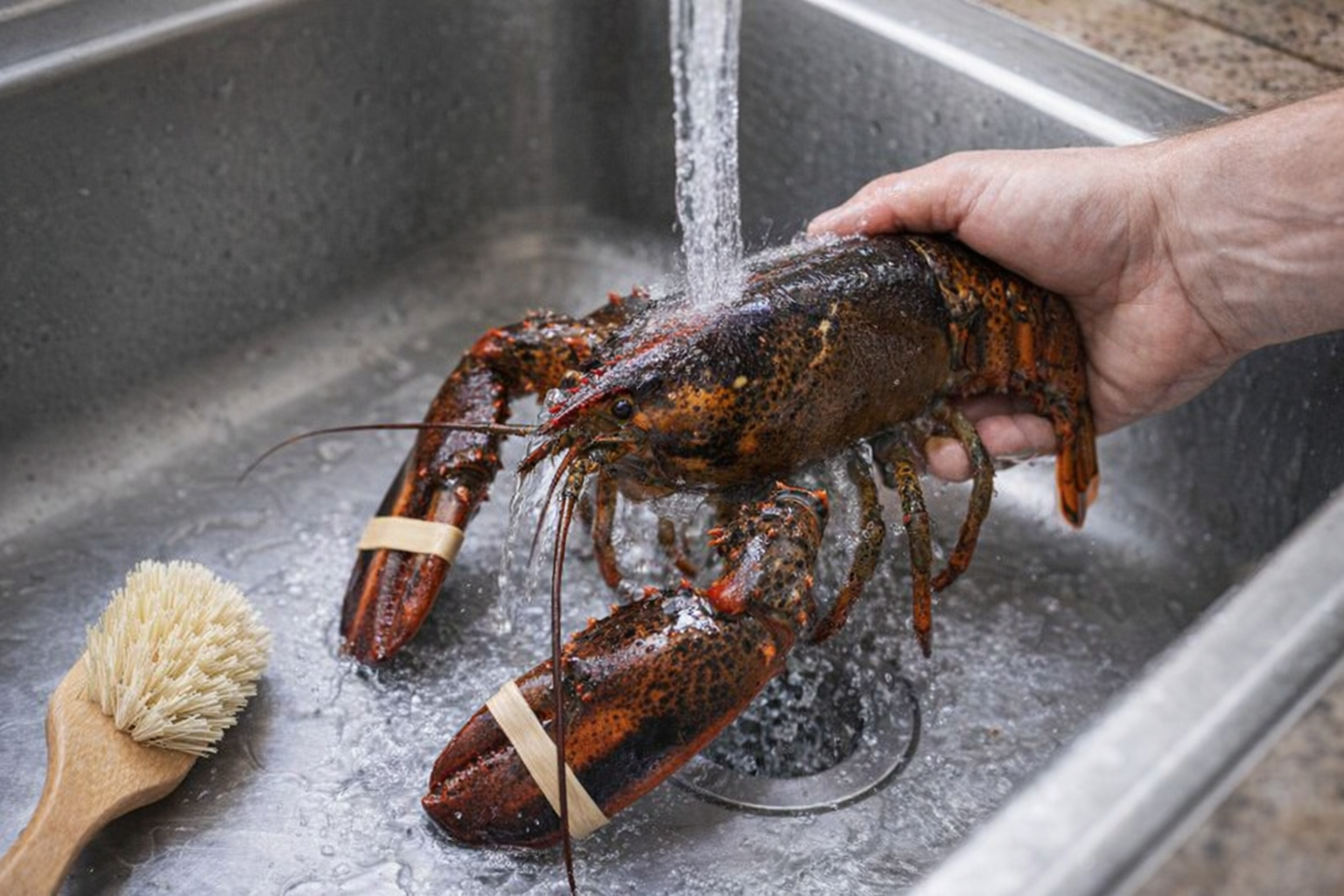
Before cooking, ensure the lobster is humanely dispatched. Chilling the lobster in the freezer for 15-20 minutes before cooking will numb it and reduce its reaction to heat. This also helps prevent the lobster from thrashing around in the pot.
Essential Tools
- Large Stockpot: Needed for boiling and steaming. Choose a pot large enough to fully submerge the lobster(s) without overcrowding.
- Tongs: Essential for safely handling live lobsters and removing cooked ones from the pot.
- Sharp Knife: For splitting lobster for grilling or removing unwanted parts.
- Cutting Board: A sturdy surface for prepping the lobster.
- Thermometer: An instant-read thermometer ensures the lobster is cooked to the proper internal temperature.
The Cooking Method(s)
Here are four different ways to cook lobster:
Boiling Lobster
Ingredients:
- 1-2 live lobsters (1-2 pounds each)
- 3-4 quarts water (3-4 liters)
- 3-4 tablespoons salt (45-60ml)
- 3-4 cloves garlic, minced
- 1/2 lemon, cut into wedges
- 3-4 bay leaves
- Fill a large stockpot with 3-4 quarts of water. The water level should be sufficient to fully submerge the lobsters.
- Add the salt, minced garlic, lemon wedges, and bay leaves to the water. Stir to dissolve the salt and distribute the aromatics. The saltwater mimics the lobster's natural environment and enhances its flavor.
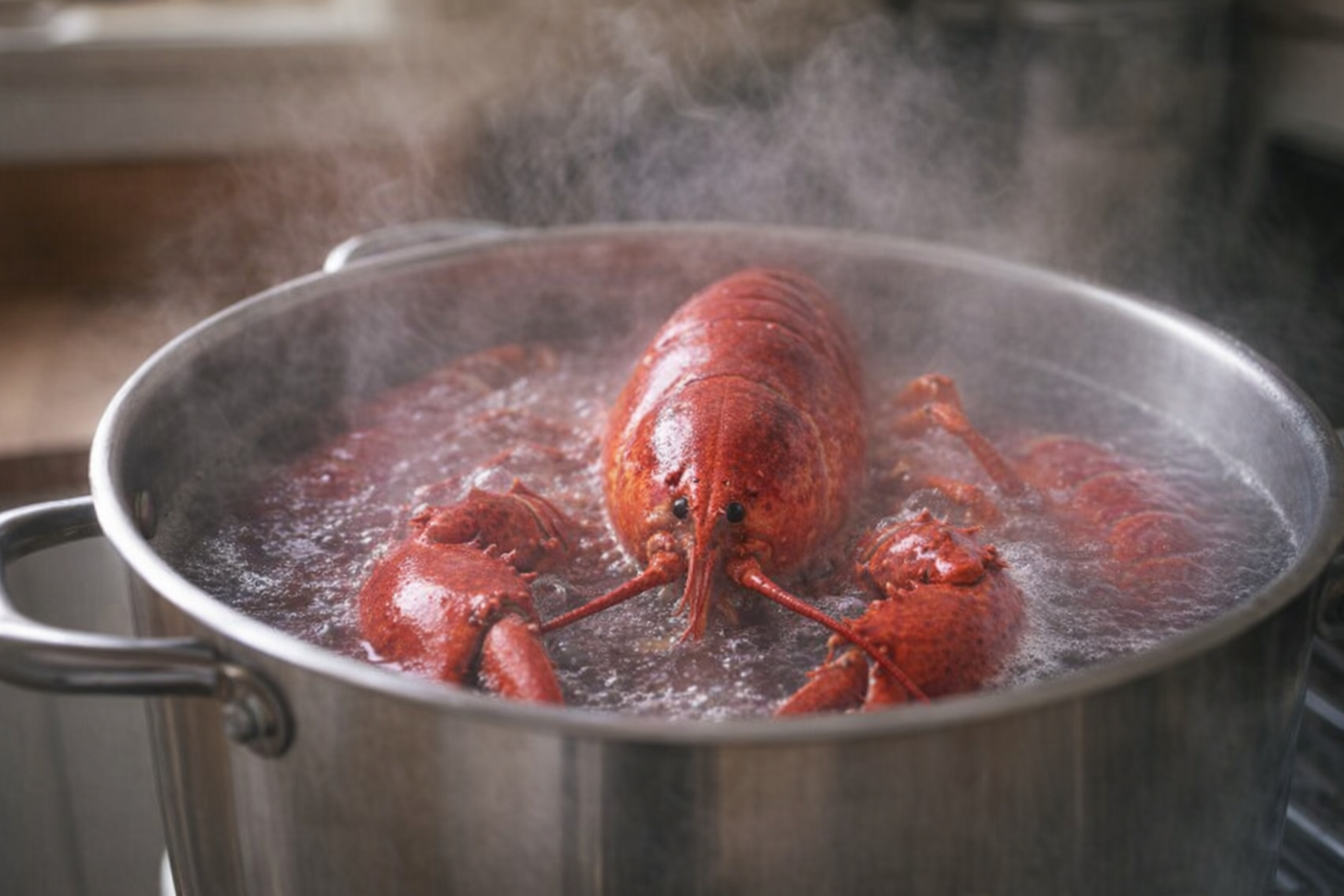
- Bring the water to a rolling boil over high heat. Ensure a vigorous boil before adding the lobsters.
- Carefully add the lobsters to the boiling water, one at a time. Placing them headfirst helps to quickly and humanely dispatch them.
- Cover the pot tightly with a lid and reduce the heat slightly to maintain a steady boil. The lid traps steam and ensures even cooking.
- Boil for 10-12 minutes for a 1-pound lobster, adding 2-3 minutes for each additional half-pound. The lobster is done when its shell turns bright red and the meat is firm.
- Remove the lobsters from the pot using tongs and transfer them to a platter. Allow them to cool slightly before serving. The residual heat will continue to cook the lobster for a few minutes.
Grilling Lobster
Ingredients:
- 1-2 live lobsters (1-2 pounds each)
- 2-3 tablespoons melted butter or olive oil (30-45ml)
- 2-3 cloves garlic, minced
- 1-2 tablespoons lemon juice (15-30ml)
- 2-3 sprigs fresh parsley, chopped
- 1/2-1 teaspoon salt (2.5-5ml)
- 1/2-1 teaspoon black pepper (2.5-5ml)
- 1/4-1/2 teaspoon red pepper flakes (optional) (1.25-2.5ml)
- Place the chilled lobster on its back on a cutting board. Wearing gloves for safety purposes. Now move to split the lobster in half from head to tail by using a sharp knife. Then, discard the greenish liver and also remove the rubber bands from the claws.
- Preheat the grill to medium-high heat. Clean and oil the grill grates to prevent sticking. A hot grill sears the lobster and creates a desirable smoky flavor.
- In a small bowl, combine the melted butter or olive oil, minced garlic, lemon juice, chopped parsley, salt, pepper, and red pepper flakes (if using). This mixture will be brushed onto the lobster during grilling.
- Brush the lobster halves generously with the butter mixture, ensuring to coat the exposed meat. The butter adds flavor and helps prevent the lobster from drying out.
- Place the lobster halves flesh-side down on the preheated grill and cook for 5-7 minutes. Grilling the flesh-side down first creates a nice sear and prevents the shell from burning.
- Flip the lobster halves and continue grilling for another 5-7 minutes, or until the shell is bright red and the meat is opaque and cooked through. The internal temperature should reach 135-140°F (57-60°C).
- Remove the lobster from the grill and let it rest for a few minutes before serving. Resting allows the juices to redistribute, resulting in a more tender and flavorful lobster.
Baking Lobster
Ingredients:
- 1-2 live lobsters (1-2 pounds each)
- 2-3 tablespoons butter (30-45ml)
- 2-3 cloves garlic, minced
- 1-2 tablespoons lemon juice (15-30ml)
- 1 teaspoon paprika (5ml)
- 1/2-1 teaspoon salt (2.5-5ml)
- 1/2-1 teaspoon black pepper (2.5-5ml)
- 1/2 cup white wine (optional) (120ml)
- Preheat the oven to 425°F (220°C).
- Dispatch the lobsters as above. Partially boil the lobster for 4-5 minutes to ease the handling process. Don't forget to remove the greenish liver and stomach sac as these are good for digestion.
- Place a small pan on the stove and melt the butter on a low heat. Then, add and stir minced garlic, lemon juice, salt, red pepper flakes, black pepper, and some fresh herb leaves for more flavor. Continue to stir until an aromatic fragrance starts coming.
- Apply the fried seasonings all over the lobster with the help of a brush. Ensure the seasonings are spread evenly. For added flavor, you can add some lemon slices on top of the lobster.
- Transfer the lobster from the plate to the baking sheet and place it into the oven to bake. Ensure the hard shell is placed downside whereas the flesh portion facing up. The baking process takes around 20-25 minutes.
- Lastly, transfer lobsters from the oven and let them rest for 3-4 minutes. Then, you can garnish lobsters with some chopped fresh herbs and serve with your favorite side dishes or sauce.
Steaming Lobster
Ingredients:
- 1-2 live lobsters (1-2 pounds each)
- 3-4 quarts water (3-4 liters)
- 2-3 tablespoons salt (30-45ml)
- 3-4 cloves garlic, minced
- 1/2 lemon, cut into wedges
- 3-4 bay leaves
- Add 3-4 quarts of water to a large pot and place it on the stove. Ensure that the water level is below the steaming basket.
- Add 2-3 tablespoons of salt to the water and stir it well until the salt dissolves. Along with this, also add garlic cloves, half-cut lemon, and bay leaves to the water and mix well. These will add more flavor which will be infused into lobster through steam.
- Now, boil the water for about 4-5 minutes. once the water comes to a boil, insert the steaming basket inside the pot.
- Add lobsters to the steaming basket. Use a tong to transfer lobsters to avoid your hands getting burned from the steam.
- After this, cover the pot with a lid and leave it for steaming about 10-15 minutes.
- Once the steaming time passes, check whether the lobsters are cooked or not. You can pull a small leg, if it comes easily then it's cooked. Besides this, lobsters' color changes into bright red or orange ones.
- Lastly, turn off the stove and use a tong to take out lobsters from the pot and place them on a plate. Before you eat it, let it rest for a few minutes. Then serve it with melted butter, spicy sauce, or heavy cream.
Cooking Time & Doneness Guide
| Lobster Size | Boiling Time | Grilling Time | Baking Time | Steaming Time |
|---|---|---|---|---|
| 1 pound | 8-10 minutes | 4-5 minutes | 10-12 minutes | 10-12 minutes |
| 1.5 pounds | 10-12 minutes | 6-8 minutes | 14-16 minutes | 14-16 minutes |
| 2 pounds | 12-14 minutes | 8-12 minutes | 16-18 minutes | 15-18 minutes |
- Internal Temperature: The internal temperature of cooked lobster should reach 135-140°F (57-60°C). Insert an instant-read thermometer into the thickest part of the tail meat.
Tips for Perfection
- Don't Overcook: Overcooked lobster is tough and rubbery. Err on the side of slightly undercooked, as the residual heat will continue to cook the meat.
- Use Enough Water/Steam: Ensure that the lobster is fully submerged in boiling water or that the steaming basket is above the water level. Insufficient liquid can lead to uneven cooking.
- Season Generously: Lobster meat is mildly flavored, so don't be afraid to season the cooking water or the lobster itself generously with salt, herbs, and spices.
- Rest the Lobster: Allowing the lobster to rest for a few minutes after cooking allows the juices to redistribute, resulting in a more tender and flavorful final product.
Storage & Reheating
- Storage: Cooked lobster can be stored in the refrigerator for up to 2-3 days. Wrap the lobster tightly in plastic wrap or store it in an airtight container.
- Reheating: The best way to reheat cooked lobster is to steam it gently for a few minutes, until heated through. Avoid microwaving, as this can make the meat tough. You can also gently sauté the meat in butter or olive oil.
Serving Suggestions
- Classic Lobster Dinner: Serve boiled or steamed lobster with melted butter, lemon wedges, and a side of corn on the cob.
- Lobster Rolls: Toss cooked lobster meat with mayonnaise, celery, and seasonings, and serve in a toasted roll.
- Lobster Mac and Cheese: Add chunks of cooked lobster to your favorite mac and cheese recipe for an indulgent twist.
- Lobster Bisque: Use leftover lobster shells to make a rich and flavorful bisque.
Frequently Asked Questions
Use an instant-read thermometer to check the internal temperature. The lobster is cooked when the thickest part of the tail reaches 140°F (60°C).
If you don't have a large stockpot, you can use a smaller pot but you may need to cook the lobsters one at a time. Ensure the lobster is fully submerged in the water or steaming liquid for even cooking.
Cooked lobster should be stored in an airtight container in the refrigerator and consumed within 2 days. For the best flavor and texture, it is recommended to eat it as soon as possible.
Chilling the lobster for 15-20 minutes helps to humanely dispatch it before cooking. It reduces the lobster's reaction to the heat, preventing thrashing and making it easier to handle.