 delishing
How to Cook Classic Parmesan Risotto on the Stove

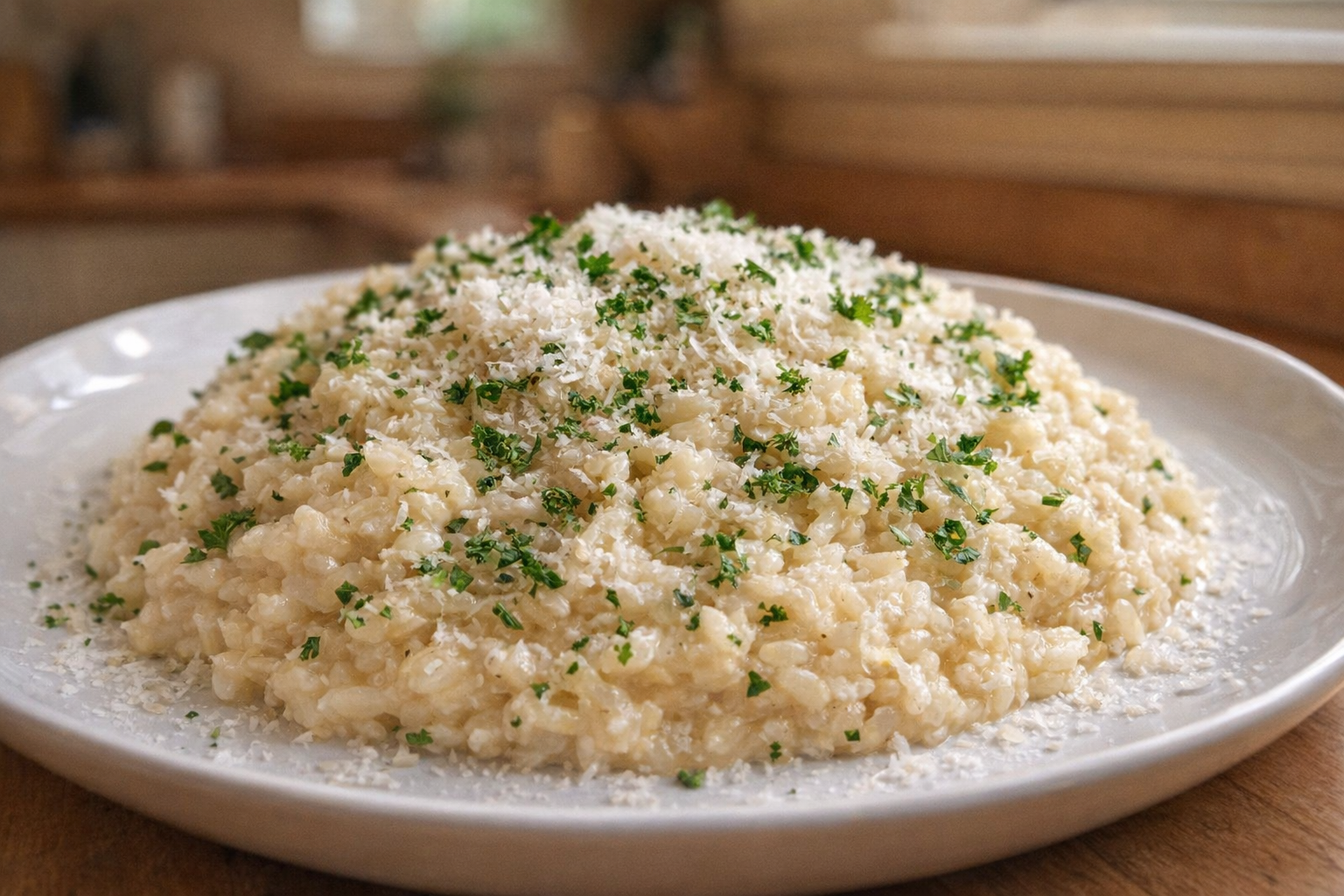
Risotto, at its heart, is a masterclass in transforming simple ingredients into a luxurious and comforting dish. The key to its allure lies in the gradual release of starch from the Arborio rice, creating a creamy, almost sauce-like consistency that perfectly complements the salty, nutty notes of Parmesan cheese. This stove-top method, while requiring patience and attention, ensures that each grain of rice is evenly cooked and coated in the flavorful broth, resulting in a risotto that is both decadent and deeply satisfying.
The beauty of a Parmesan risotto lies in its simplicity. With a handful of high-quality ingredients and a focused technique, you can achieve a restaurant-quality dish in your own kitchen. The constant stirring coaxes the starches from the rice, creating that signature creamy texture, while the gradual addition of broth allows the rice to absorb the liquid and flavor evenly. The result is a symphony of textures and flavors that will impress even the most discerning palate.
Understanding Arborio Rice
Arborio rice is the cornerstone of any good risotto. This short-grained Italian rice is characterized by its high starch content, which is essential for creating the creamy texture that defines risotto. When shopping, look for plump, pearly white grains. Avoid any rice that appears broken or dusty, as this indicates lower quality. While Arborio is the most common choice, other varieties like Carnaroli and Vialone Nano offer slightly different textures and flavor profiles, with Carnaroli being considered by many to be the superior choice due to its even higher starch content and ability to retain its shape during cooking.
Why Cook Risotto This Way?
- Flavor: The slow, careful cooking process allows the rice to absorb the broth and Parmesan cheese, resulting in a dish that is bursting with savory, cheesy flavor.
- Versatility: Parmesan risotto can be enjoyed as a main course or as a side dish alongside roasted meats, vegetables, or seafood. It also serves as a fantastic base for other risotto variations, such as mushroom or butternut squash.
- Control: Cooking risotto on the stove allows you to precisely control the heat and consistency, ensuring that each grain of rice is cooked to perfection.
Preparation (Mise en Place)
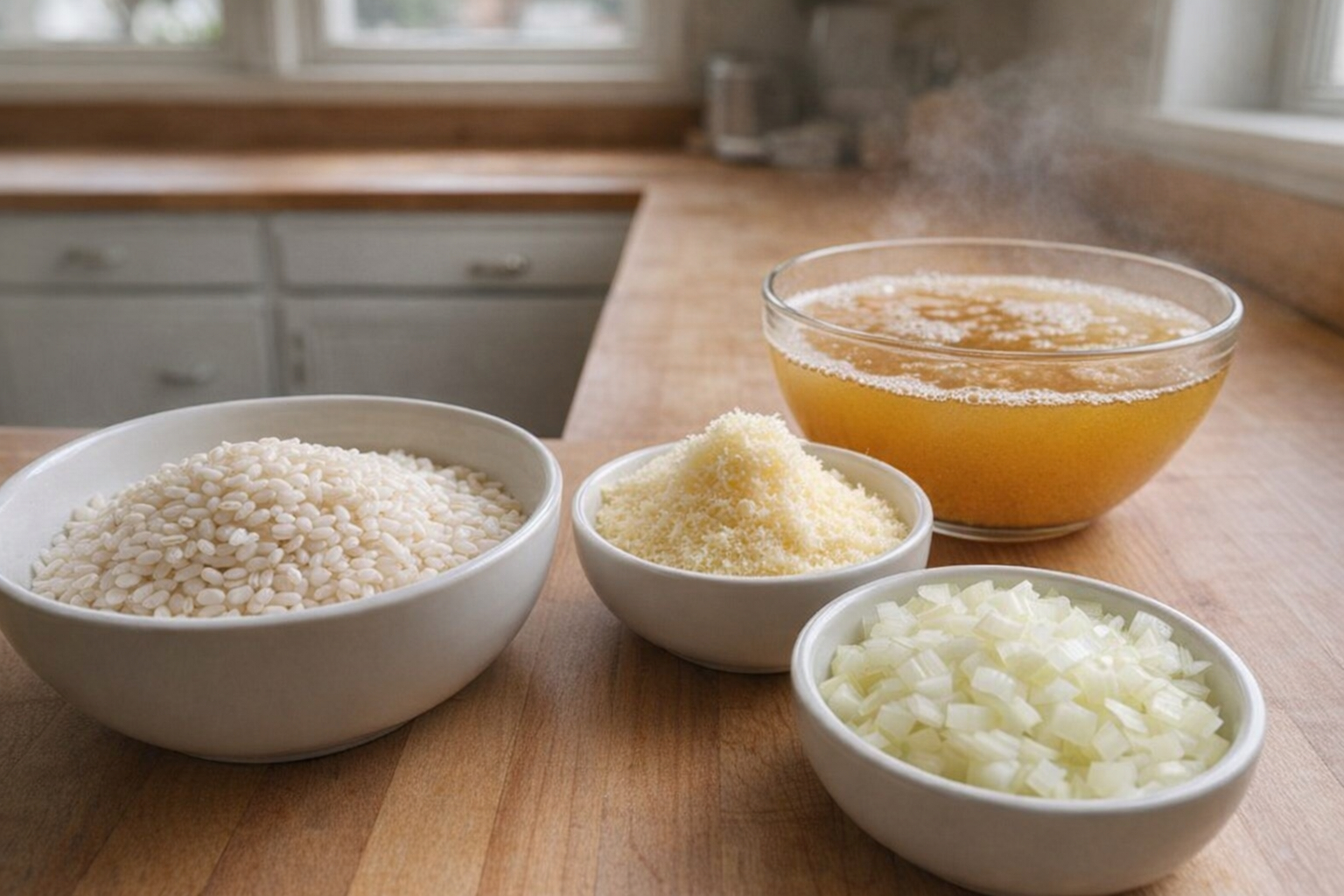
Before you begin cooking, it's essential to have all of your ingredients prepped and ready to go. This is known as mise en place, and it's crucial for a smooth and successful risotto-making experience.
- Warm the Broth: Keep your broth simmering gently in a saucepan on the stove. Cold broth will lower the temperature of the rice and interrupt the cooking process.
- Grate the Parmesan: Grate your Parmesan cheese finely. This will allow it to melt evenly into the risotto and create a smooth, creamy texture.
- Chop the Onion: Finely chop the onion. This will ensure that it cooks evenly and disappears into the risotto.
Essential Tools
- Heavy-Bottomed Pot or Dutch Oven: A heavy-bottomed pot or Dutch oven is essential for even heat distribution and prevents the rice from scorching.
- Wooden Spoon: A wooden spoon is ideal for stirring risotto, as it won't scratch the pot and allows you to feel the texture of the rice as it cooks.
- Ladle: A ladle is used to add the broth to the risotto in small increments.
The Cooking Method: Classic Parmesan Risotto
Ingredients:
- 1 tablespoon olive oil (15 ml)
- 1 small yellow onion, finely chopped
- 1 cup Arborio rice (200g)
- 1/2 cup dry white wine (optional) (120 ml)
- 4-6 cups hot chicken broth (950 ml - 1.4 L)
- 1 cup grated Parmesan cheese (100g), plus more for serving
- 2 tablespoons butter (30g)
- Salt and freshly ground black pepper to taste
Instructions:
- Sauté the Onion: Heat the olive oil in a heavy-bottomed pot or Dutch oven over medium heat. Add the chopped onion and cook until softened and translucent, about 5 minutes. The aroma of the softening onions will fill your kitchen.
- Toast the Rice: Add the Arborio rice to the pot and toast for 2-3 minutes, stirring constantly. The rice should become slightly translucent and make a gentle crackling sound. This step is crucial for developing the nutty flavor of the risotto.
- Deglaze (Optional): If using, pour in the white wine and cook, stirring, until it is absorbed. The wine will add acidity and complexity to the risotto.
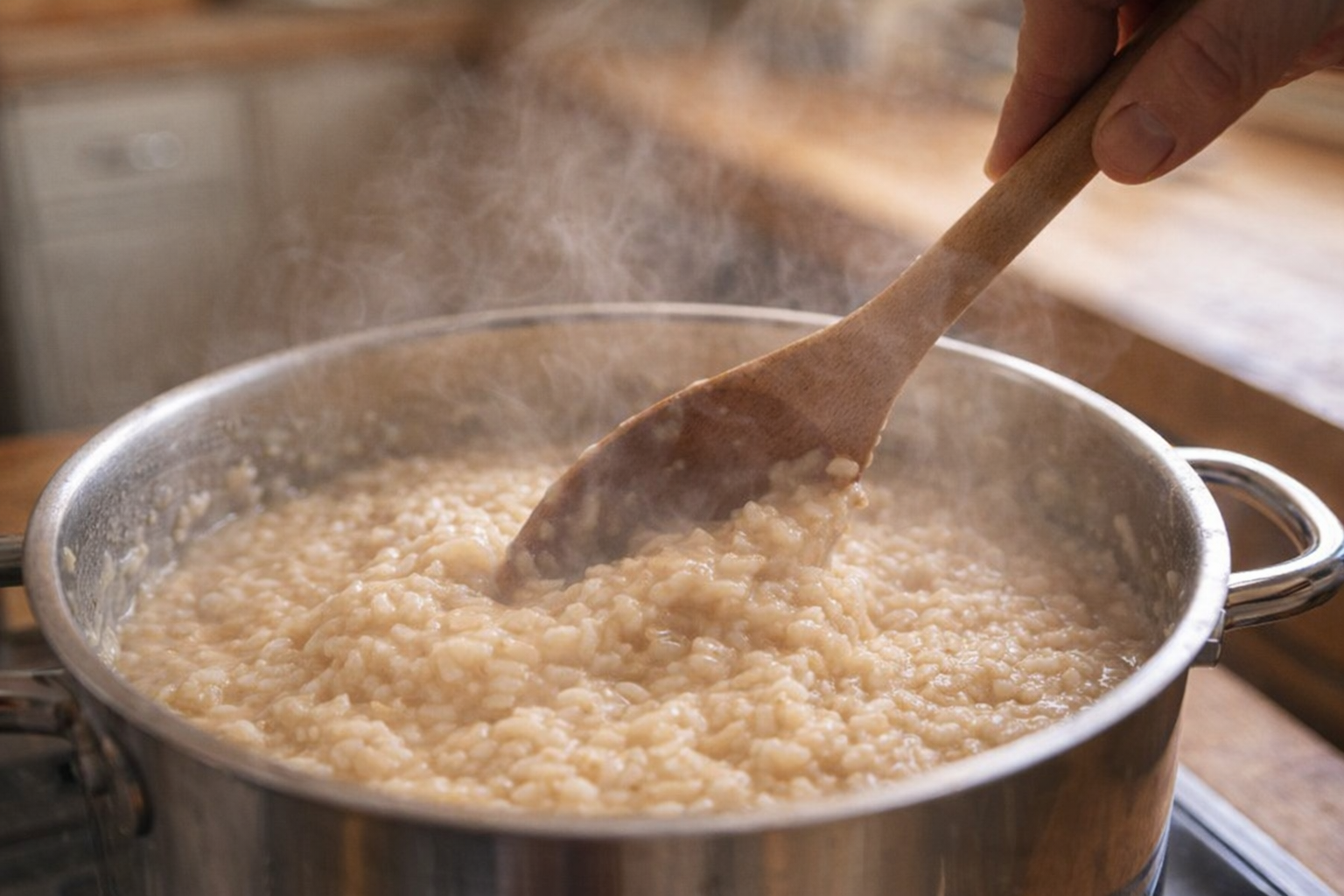
- Add Broth Gradually: Add 1 cup of the hot chicken broth to the rice and stir constantly until the liquid is absorbed. Continue adding broth, 1 cup at a time, stirring constantly and allowing each addition to be absorbed before adding the next. This process will take about 20-25 minutes. Listen for a gentle simmering sound and watch as the rice plumps up and releases its starch.
- Check for Doneness: After about 20 minutes, start tasting the rice. It should be creamy and tender, but with a slight bite (al dente) in the center.
- Stir in Cheese and Butter: Once the rice is cooked to your liking, remove the pot from the heat and stir in the Parmesan cheese and butter. Season with salt and freshly ground black pepper to taste. The risotto should be rich, creamy, and slightly loose.
- Serve Immediately: Serve the risotto immediately, garnished with additional Parmesan cheese and fresh parsley, if desired.
Cooking Time & Doneness Guide
- Total Cooking Time: Approximately 30-40 minutes
- Internal Temperature: Risotto is not typically cooked to a specific internal temperature. Doneness is determined by texture.
Visual Cues
The risotto is done when the rice is creamy and tender, but still has a slight bite in the center. The risotto should be loose enough to spread slightly on a plate, but not watery.
Tips for Perfection
- Use Hot Broth: Always use hot broth, as cold broth will lower the temperature of the rice and interrupt the cooking process.
- Stir Constantly: Stirring the risotto constantly is essential for releasing the starch and creating the creamy texture.
- Don't Overcook: Be careful not to overcook the risotto, as this will result in mushy rice.
- Adjust Broth as Needed: The amount of broth needed may vary depending on the type of rice and the heat of your stove. Adjust the amount of broth as needed to achieve the desired consistency.
Storage & Reheating
- Storage: Leftover risotto can be stored in an airtight container in the refrigerator for up to 2 days.
- Reheating: To reheat risotto, add a splash of broth or water to the risotto and heat in a saucepan over low heat, stirring constantly, until heated through. You can also reheat risotto in the microwave, but be careful not to overheat it, as this can make it dry and gummy.
Serving Suggestions
- As a Side Dish: Serve Parmesan risotto as a side dish alongside roasted chicken, fish, or vegetables.
- As a Main Course: Enjoy Parmesan risotto as a simple and satisfying main course.
- With Grilled Shrimp: Top the risotto with grilled shrimp for a complete and flavorful meal.
- With Roasted Vegetables: Serve the risotto with roasted vegetables, such as asparagus, zucchini, or bell peppers, for a healthy and delicious meal.

💡 Pro Tips
- Keep your broth at a steady simmer in a separate pot to ensure it does not lower the temperature of the rice when added. Adding warm liquid is essential for a consistent cook and proper starch release.
- Toast the Arborio rice in the pan for a few minutes until the edges look translucent to help the grains maintain their structure. This step prevents the risotto from becoming mushy and adds a subtle nutty depth to the dish.
- Stir the rice frequently to agitate the grains and encourage the release of starch, which creates the signature creamy texture. This constant motion is the secret to achieving a velvety sauce without needing to add heavy cream.
- Add the warm broth one ladle at a time and wait until each addition is almost fully absorbed before adding more. This gradual process allows the rice to cook evenly while developing a rich, thick consistency.
- Stir in the butter and freshly grated Parmesan cheese only after you have removed the pan from the heat. This technique ensures a glossy finish and prevents the cheese from becoming stringy or oily.
Frequently Asked Questions
While Parmesan is classic, you can experiment with other hard, aged cheeses. Pecorino Romano would provide a saltier, sharper flavor, while Grana Padano is a milder, more budget-friendly alternative. Just be sure to grate the cheese finely for even melting.
If your risotto becomes too thick before the rice is fully cooked, add a little more warm broth, a tablespoon or two at a time, and continue stirring until the rice reaches the desired consistency. If it's already cooked and too dry, a knob of butter or a splash of cream can help to loosen it up and add richness.
Leftover risotto should be cooled quickly and stored in an airtight container in the refrigerator for up to 2 days. When reheating, add a splash of broth or water to help loosen it up and prevent it from drying out; gentle heat and frequent stirring are key.
While Arborio is ideal, Carnaroli or Vialone Nano are suitable substitutes and may even yield a creamier result. If you absolutely can't find any of these, a short-grain sushi rice could work in a pinch, but be mindful that it may cook faster and result in a slightly different texture.