 delishing
A Guide to Cooking the Perfect Chard


A Guide to Cooking the Perfect Chard
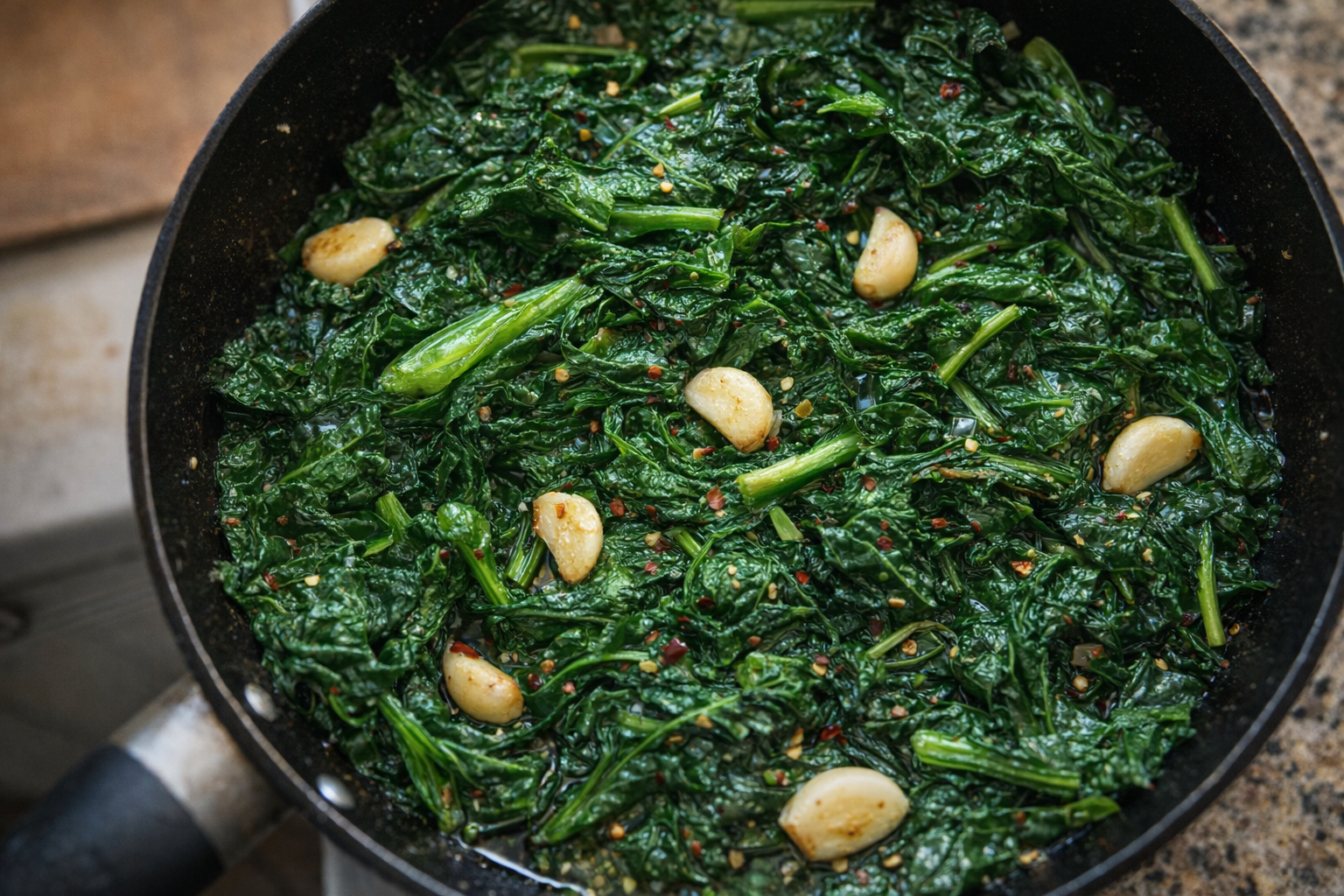
Sautéed Swiss chard with garlic is a simple yet elegant side dish that highlights the earthy flavor of the chard, complemented by the pungent aroma of garlic. A touch of red pepper flakes adds a subtle warmth, creating a balanced and satisfying flavor profile.
This method of cooking chard is quick and efficient, preserving the vegetable's nutrients and vibrant color. Sautéing allows the chard to wilt just enough, maintaining a pleasant texture that's tender but not mushy. The garlic infuses the chard with its distinctive flavor, creating a harmonious blend that's both comforting and nutritious.
Understanding Swiss Chard
Swiss chard, also known as silverbeet, perpetual spinach, beet spinach, seakale beet, or leaf beet, comes in several varieties, distinguished by the color of their stalks: white, red, yellow, and rainbow (a mix of colors). The leaves are similar to spinach but have a slightly earthier taste. When buying chard, look for leaves that are firm, vibrant, and free from blemishes. The stalks should be crisp and not wilted. Smaller leaves tend to be more tender and mild in flavor.
Why Cook Chard This Way?
- Versatility: This simple recipe can be adapted to include other vegetables, such as mushrooms or onions, or different seasonings, such as lemon juice or balsamic vinegar.
- Flavor: Sautéing with garlic enhances the natural flavor of chard, creating a delicious and aromatic dish.
- Convenience: This method is quick and easy, making it perfect for a weeknight side dish.
Preparation (Mise en Place)
- Rinse the Chard: Thoroughly wash the chard under cold running water to remove any dirt or grit.
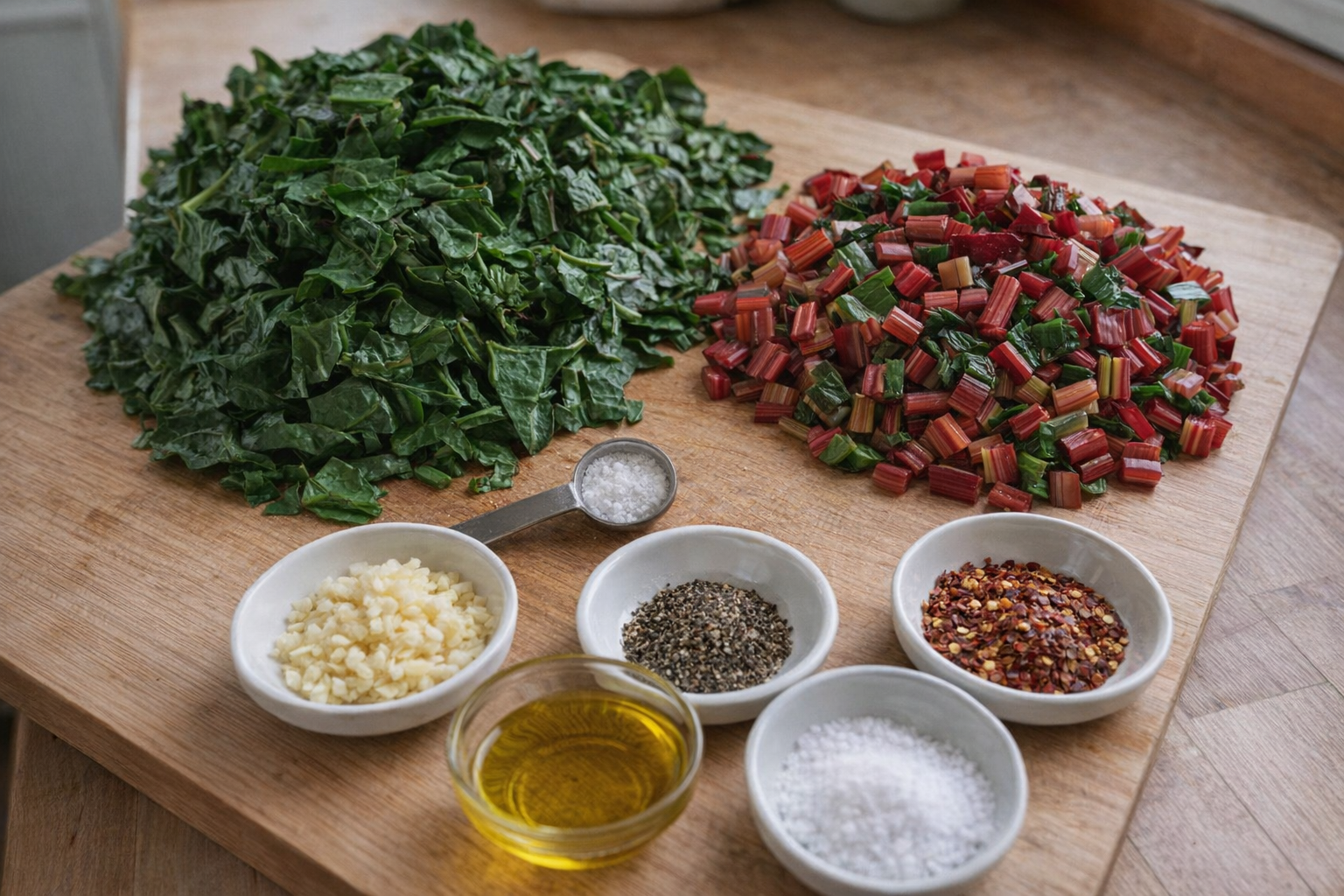
- Separate Stems and Leaves: Using a knife, cut the leaves away from the stems. The stems take longer to cook, so they need to be prepped separately.
- Chop the Stems: Cut the stems into 1/2-inch pieces.
- Chop the Leaves: Roughly chop the leaves into 1-2 inch pieces.
- Mince the Garlic: Mince the garlic cloves finely. This allows the garlic flavor to infuse the oil quickly.
Essential Tools:
- Large Skillet: A large skillet (preferably cast iron for even heat distribution) is essential for sautéing the chard without overcrowding. Overcrowding can steam the chard instead of sautéing it.
- Chef's Knife: A sharp chef's knife is needed for efficiently chopping the chard and garlic.
- Cutting Board: A sturdy cutting board provides a safe and stable surface for prepping the vegetables.
The Cooking Method
Sautéed Chard with Garlic
Ingredients:
- 1 pound (450g) Swiss chard
- 2 tablespoons (30ml) olive oil
- 3 cloves garlic, minced
- 1/4 teaspoon red pepper flakes (optional)
- Salt and freshly ground black pepper to taste
- 1 tablespoon lemon juice (optional)
Instructions:
- Heat the Oil: Heat the olive oil in a large skillet over medium heat. The oil should shimmer but not smoke.
- Sauté the Garlic: Add the minced garlic to the skillet and sauté for about 30 seconds, until fragrant but not browned. Watch carefully to prevent burning. The aroma of garlic filling your kitchen will be intense.
- Add the Chard Stems: Add the chopped chard stems to the skillet and cook for 3-4 minutes, until they begin to soften. The stems will start to become translucent.
- Add the Chard Leaves: Add the chopped chard leaves to the skillet. Cook for 4-5 minutes, until the leaves wilt and become tender. The leaves will dramatically reduce in volume as they cook.
- Season: Season with salt, pepper, and red pepper flakes (if using). Taste and adjust seasonings as needed.
- Finish (Optional): Stir in lemon juice for a touch of acidity.
- Serve: Serve immediately.
Cooking Time & Doneness Guide
- Total Cooking Time: Approximately 10-15 minutes.
- Internal Temperature: N/A (vegetable)
Visual Cues:
- The chard leaves should be wilted and tender.
- The stems should be softened and slightly translucent.
- The garlic should be fragrant but not browned or burnt.
Tips for Perfection
- Don't Overcrowd the Pan: Cook the chard in batches if necessary to avoid overcrowding the pan. Overcrowding can cause the chard to steam instead of sauté, resulting in a less desirable texture.
- Don't Burn the Garlic: Keep a close eye on the garlic while sautéing, as burnt garlic can impart a bitter flavor to the dish.
- Adjust Seasonings: Taste and adjust seasonings as needed. Chard can vary in bitterness, so you may need to add more salt to balance the flavors.
- Use Fresh Ingredients: Fresh chard and garlic will provide the best flavor.
Storage & Reheating
- Storage: Store leftover sautéed chard in an airtight container in the refrigerator for up to 3 days.
- Reheating: Reheat the chard in a skillet over medium heat until heated through. You can also microwave it, but the texture may become slightly softer.
Serving Suggestions
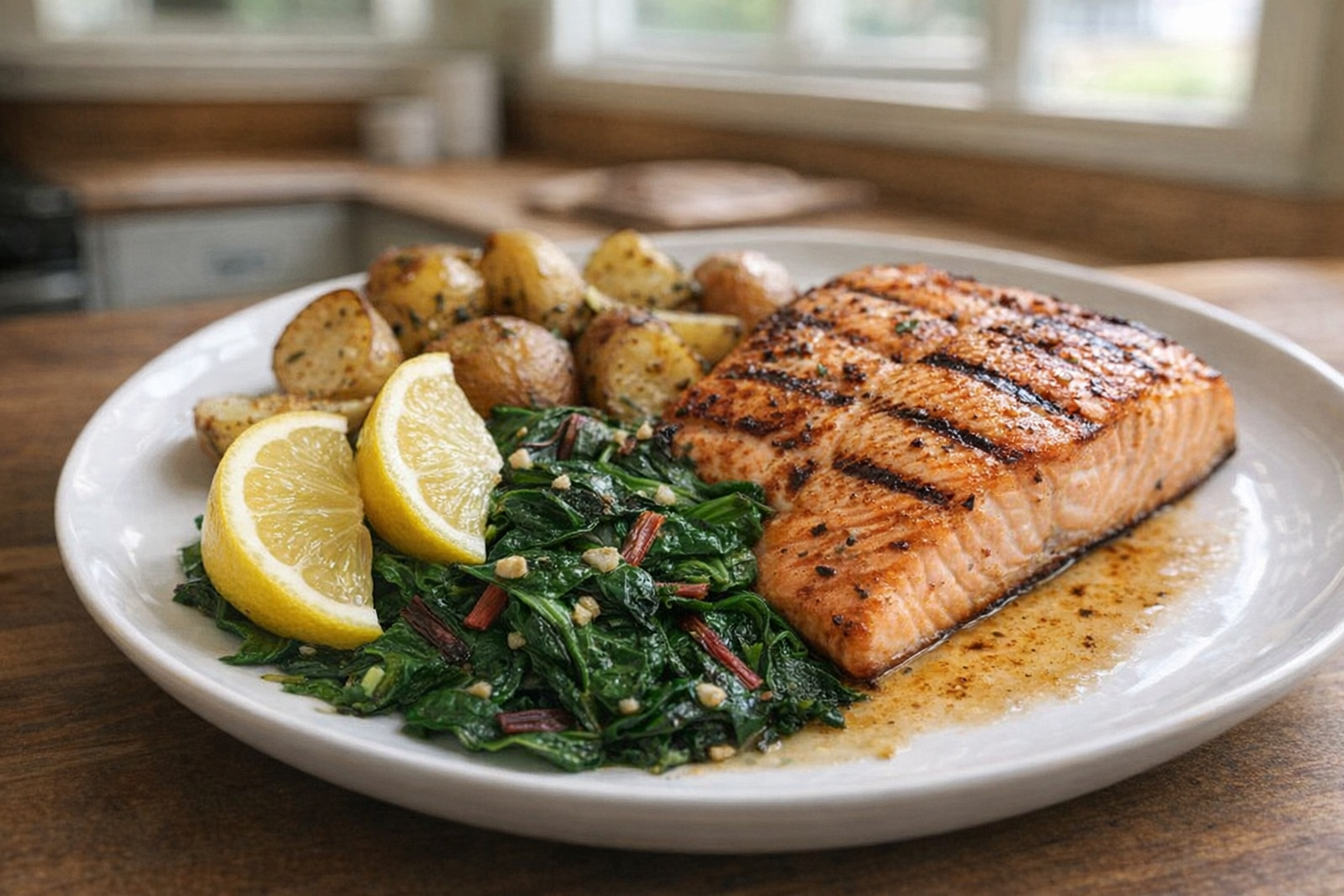
- As a Side Dish: Serve alongside grilled chicken, fish, or tofu.
- In Pasta: Toss with cooked pasta and Parmesan cheese.
- In Eggs: Add to omelets, frittatas, or scrambled eggs.
- As a Filling: Use as a filling for ravioli or stuffed shells.
💡 Pro Tips
- Briefly blanch the chard in boiling water before sautéing to effectively neutralize any natural bitterness in the leaves.
- Separate the thick stems from the leaves and sauté them for several minutes before adding the greens to ensure everything is cooked to the proper texture.
- When using frozen chard, thaw it completely and squeeze out all excess moisture to prevent the dish from becoming watery.
- Monitor the cooking time closely and remove the chard from the heat as soon as it wilts to avoid overcooking and a mushy consistency.
- Finish the dish with a squeeze of fresh lemon juice or a dash of vinegar to brighten the flavor and balance the earthy notes of the greens.
Frequently Asked Questions
Bitterness in chard can sometimes occur if it's overcooked or if the variety is naturally more bitter. Try not to overcook the chard, and consider blanching it briefly in boiling water before sautéing to reduce bitterness.
Yes, you can use frozen chard, but it will have a softer texture than fresh. Make sure to thaw it completely and squeeze out any excess moisture before adding it to the skillet, or the sautéing process will take much longer.
Cooked chard can be stored in an airtight container in the refrigerator for up to 3-4 days. Reheat it gently in a skillet or microwave until warmed through before serving.
If you don't have red pepper flakes, you can use a pinch of cayenne pepper or a dash of your favorite hot sauce to add some heat. Alternatively, you can omit the spice altogether for a milder flavor.